Which diagnostics fit a cardiology practice?
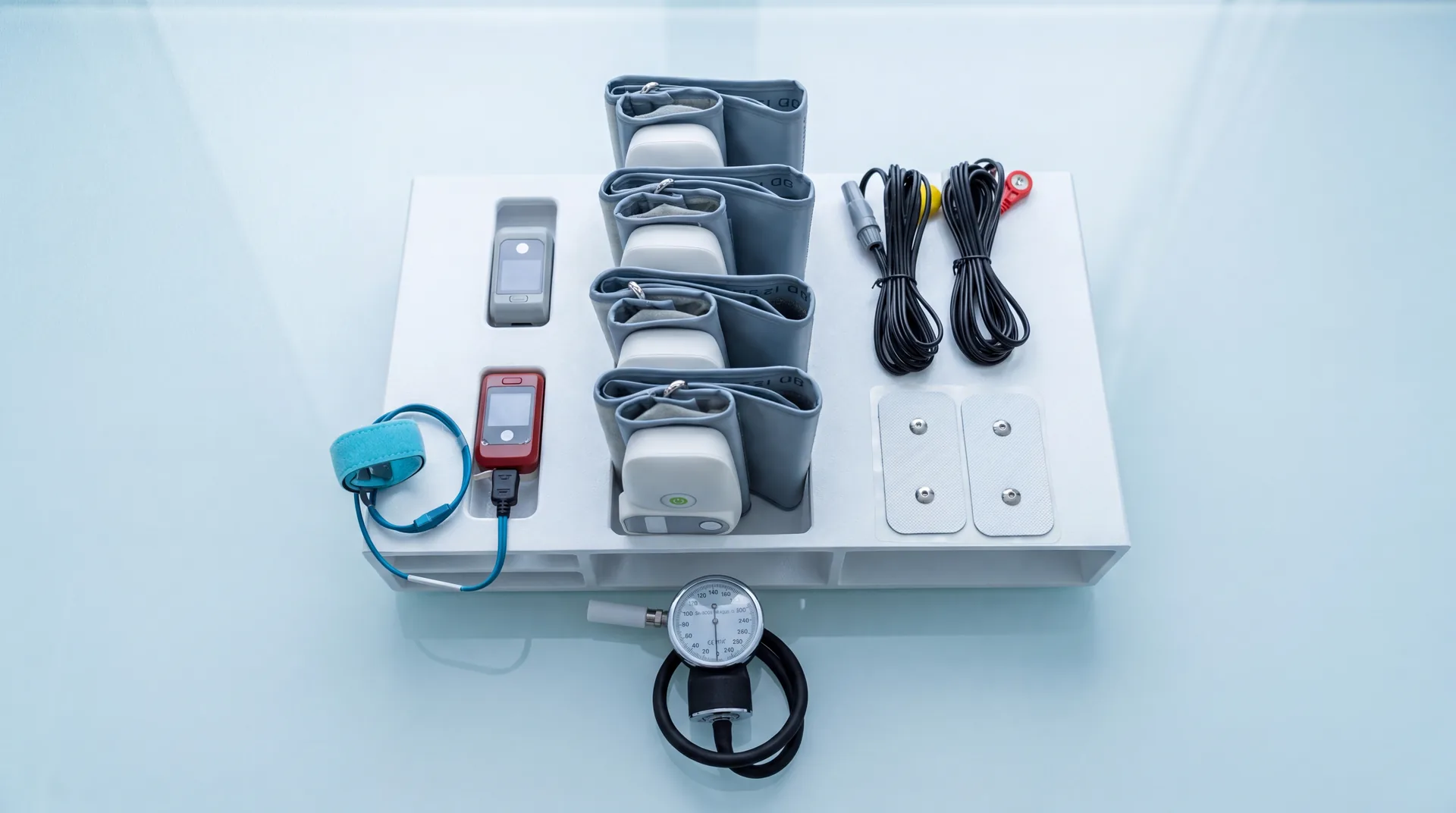
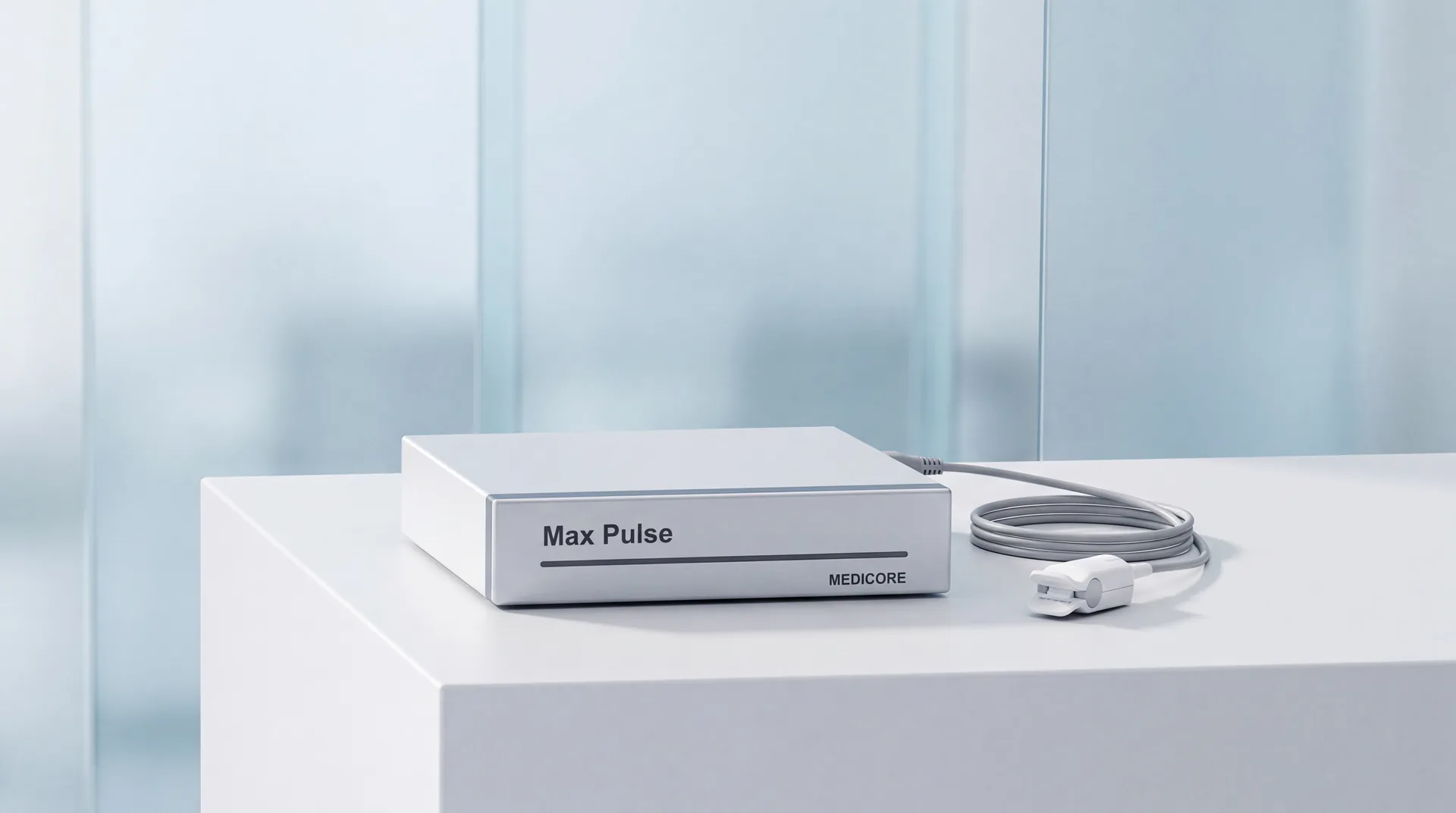
TM-Flow and Max Pulse. TM-Flow is built on three FDA 510(k)-cleared modules (K173696, K152216, K200141) and captures ankle-brachial index, heart-rate variability, and sudomotor response in about ten minutes chairside. Max Pulse (K110374) is a one to three minute pulse-wave cardiovascular screen, billed directly to the patient. Both are ordered when clinically indicated.
Is cardiology testing covered?
Coverage and coding for TM-Flow are decided by your payer on the documented indication, the equipment used, and the interpreting physician's training. Medicare contractors publish different autonomic policies, and some publish none, so confirm with your own contractor and certified coder. TITN recommends no code. Max Pulse is billed directly to the patient, with no insurance claim filed.
Is heart-rate variability testing clinically useful or a wellness gimmick?
Heart-rate variability has documented roles in cardiovascular and autonomic assessment, but the literature also reports real limits: measurement variability, no cross-study standardization, and only modest added value over established risk factors. Treat it as a screening and monitoring adjunct that adds a measured number to the chart, interpreted alongside the exam and the rest of the workup, not as a stand-alone test.
How long does an in-office ankle-brachial index test take?
TM-Flow captures the ankle-brachial index alongside autonomic and sudomotor data in about ten minutes chairside, with cuffs and probes placed while the patient is seated. Published primary-care work describes ankle-brachial index testing as a minutes-scale office test and reports time, staffing, and training, rather than the validity of the test, as the barriers cited to running it in an office. Confirm the current literature for your own setting.
Does autonomic function testing require special staff training or a controlled environment?
Yes. CMS billing guidance for autonomic function testing describes patient preparation, environmental conditions, and trained-personnel requirements; read your own contractor's article in the CMS Medicare Coverage Database. TM-Flow is run by a trained technician, not the physician. TM-Flow is run by a trained technician, not the physician, and the protocol includes a standard rest period, with a Valsalva maneuver and a tilt for sympathetic adrenergic testing. TITN trains your staff on that protocol before the first patient.
Who reads and signs the results generated in my office?
Your practice captures the data and your clinician interprets it. If you want an outside read, BMTG returns an interpretive report through TITN's HIPAA-compliant portal, and a board-certified neurologist signs the neurologist-read deliverables. That is a separate report product, not something included by default with the device. No report diagnoses a condition; each documents measured data a clinician interprets.
What is the difference between a wellness screening device and an FDA-cleared diagnostic device?
They are different regulatory categories. TM-Flow's three modules and Max Pulse hold FDA 510(k) clearances for specific stated uses; Max Pulse is cleared as a cardiovascular screen, not as a diagnostic test for a named cardiac disease. Hue Light, by contrast, is positioned under FDA General Wellness and is not FDA cleared. TITN states the category for each product rather than blending them.