Which diagnostics fit an endocrinology practice?
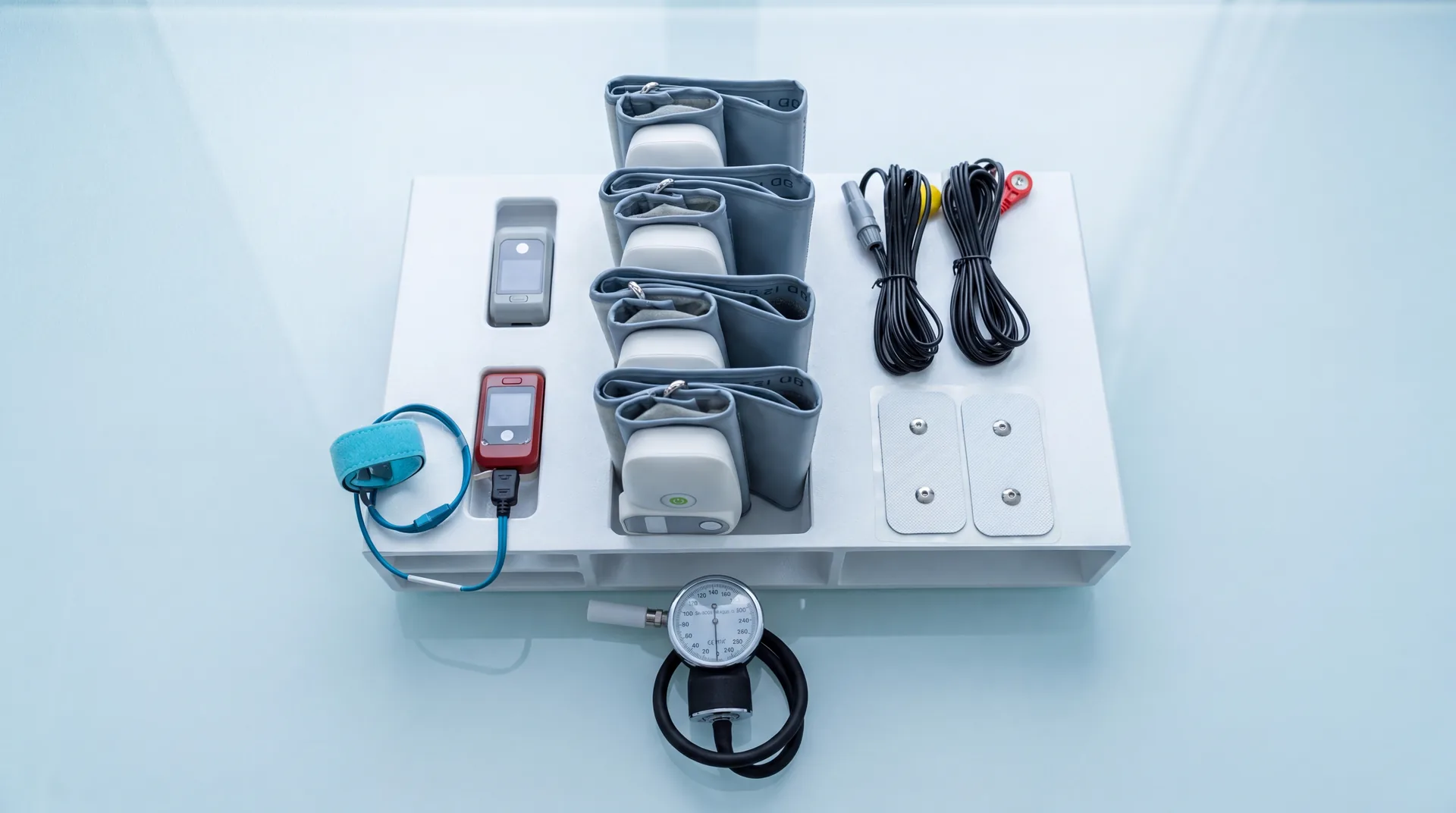
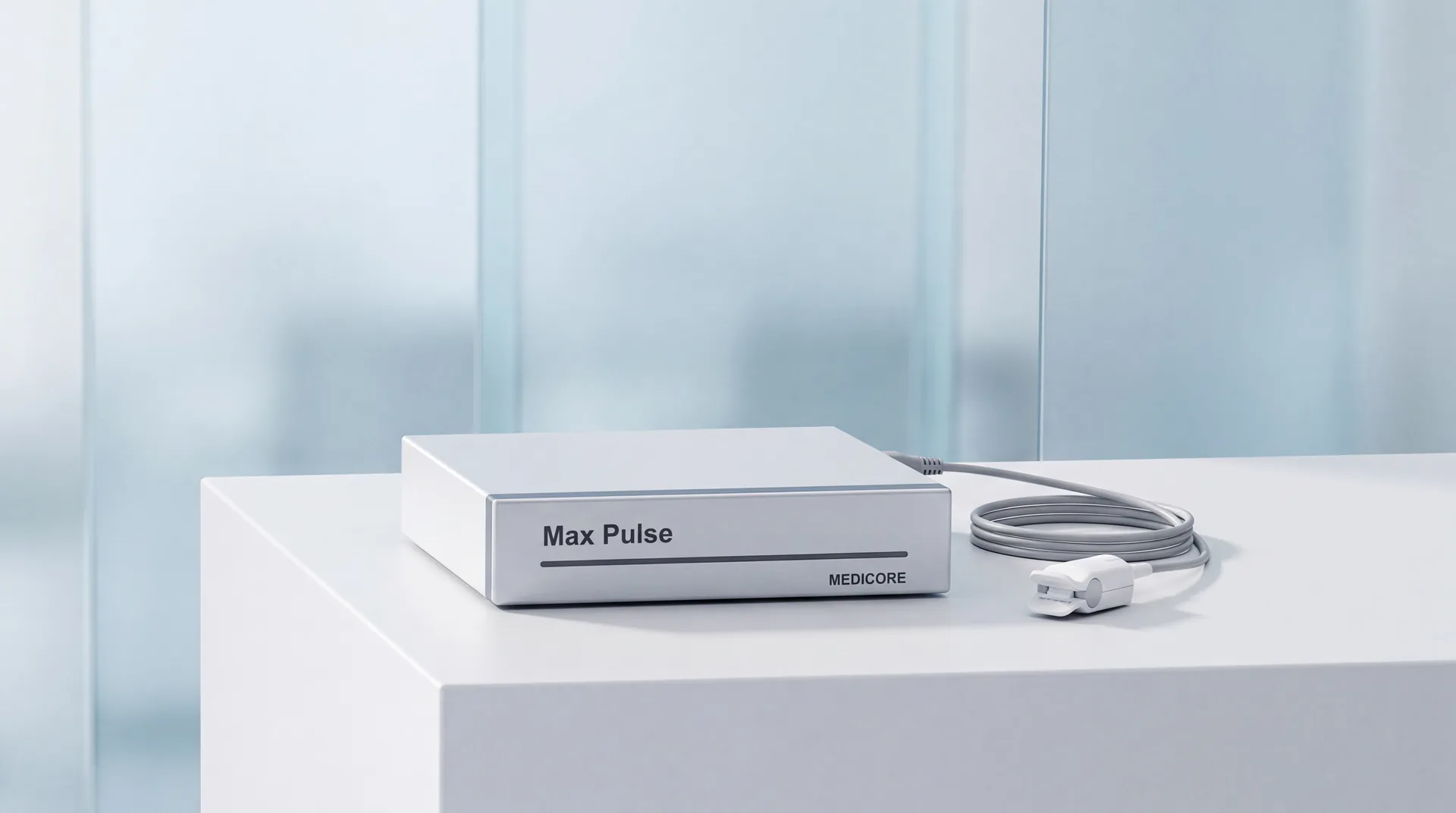
TM-Flow, provider-ordered genetic panels, and Max Pulse. TM-Flow is built on three FDA 510(k)-cleared modules (K173696, K152216, K200141) and captures sudomotor response, heart-rate variability, and ankle-brachial index chairside in about ten minutes. Genetic panels, including pharmacogenomics, are ordered through PreCheckHealth. Max Pulse (K110374) is a cardiovascular screen billed directly to the patient.
Is it covered, and what does the patient pay?
Coverage and coding for TM-Flow are decided by your payer on the documented indication, the equipment used, and the interpreting physician's training, and CMS local coverage articles make autonomic testing diagnosis-code dependent. Confirm with your own contractor and certified coder; TITN recommends no code. PreCheckHealth bills the genetic panels directly. Max Pulse is billed directly to the patient.
Is sudomotor testing validated for diabetic peripheral neuropathy screening?
It is best treated as an adjunct. Reported sensitivity and specificity for electrochemical skin conductance vary widely by study, device, and population, with specificity lower in some cohorts. The published work suggests accuracy improves when the measure is combined with an established screening instrument, and it is not a replacement for the monofilament test, the clinical exam, or nerve conduction studies.
Can autonomic testing show changes before neuropathy symptoms appear?
The intent of the measure is early documentation, but the evidence supports hedging. Studies show sudomotor and heart-rate-variability findings correlate with clinical signs of autonomic and peripheral nerve involvement, without demonstrating universal sensitivity at the earliest stages. TM-Flow documents measured indices; it does not detect or diagnose neuropathy, and your clinician interprets the values against the whole picture.
Is pharmacogenomic testing accurate and useful for endocrine medication decisions?
Panel content and evidence tiers vary, and the ordering clinician decides how much weight a result carries. CPIC publishes peer-reviewed, evidence-graded gene-drug guidance, and published comparisons have found meaningful discordance between some commercial reports and CPIC-based interpretation. Cross-check any pharmacogenomic result against current CPIC guidance where a relevant gene-drug pair exists, and treat the report as one input among several.
Do multi-gene panels actually change my treatment plan?
It depends on the gene and the clinical question. Clinical utility is well established for some genes on a multi-gene panel and limited for others, so a bundled panel should not be presented as uniformly actionable. Order the panel that answers a question already on the table, read each finding on its own evidence, and use the genetic counseling available through PreCheckHealth when results carry counseling implications.
Who bills for the genetic testing, my practice or the lab?
PreCheckHealth bills the panels directly, including insurance billing where a panel is covered. Your practice orders the test and receives the result; it does not set the price, guarantee coverage, or learn genetics billing. TITN refers, PreCheckHealth bills. These are provider-ordered clinical panels, not consumer SNP testing, and genetic counseling is available through the lab by phone or email.
What training does my staff need to run in-office autonomic testing?
Vendor-led onboarding is the standard pattern for point-of-care testing, and autonomic testing in particular has documented preparation, environment, and trained-personnel requirements. A trained technician runs TM-Flow, not the physician, following the same placement and rest protocol every visit so the retest is a true comparison. TITN covers that training, implementation, and support through the first retest.