What is the FDA status of TM-Flow?
TM-Flow is built on three FDA 510(k)-cleared modules: K173696 (TBL-ABI, ankle-brachial index and peripheral vascular assessment), K152216 (SudoC, sudomotor function), and K200141 (Oxi-W, heart-rate variability and PPG). The workstation integrates those cleared modules. There is no device-level clearance for the system as a whole, and it supports a workup rather than replacing one.
How is it coded, and is it covered?
Coverage and coding are set by each Medicare contractor and each commercial plan, and depend on the documented indication, the equipment used, and the interpreting physician's training. California's Medicare contractor publishes no autonomic policy, which means claim-by-claim review. TITN recommends no code. Ask us for the coverage checklist, then confirm every code with your certified coder before the first claim.
What does a session involve, and who runs it?
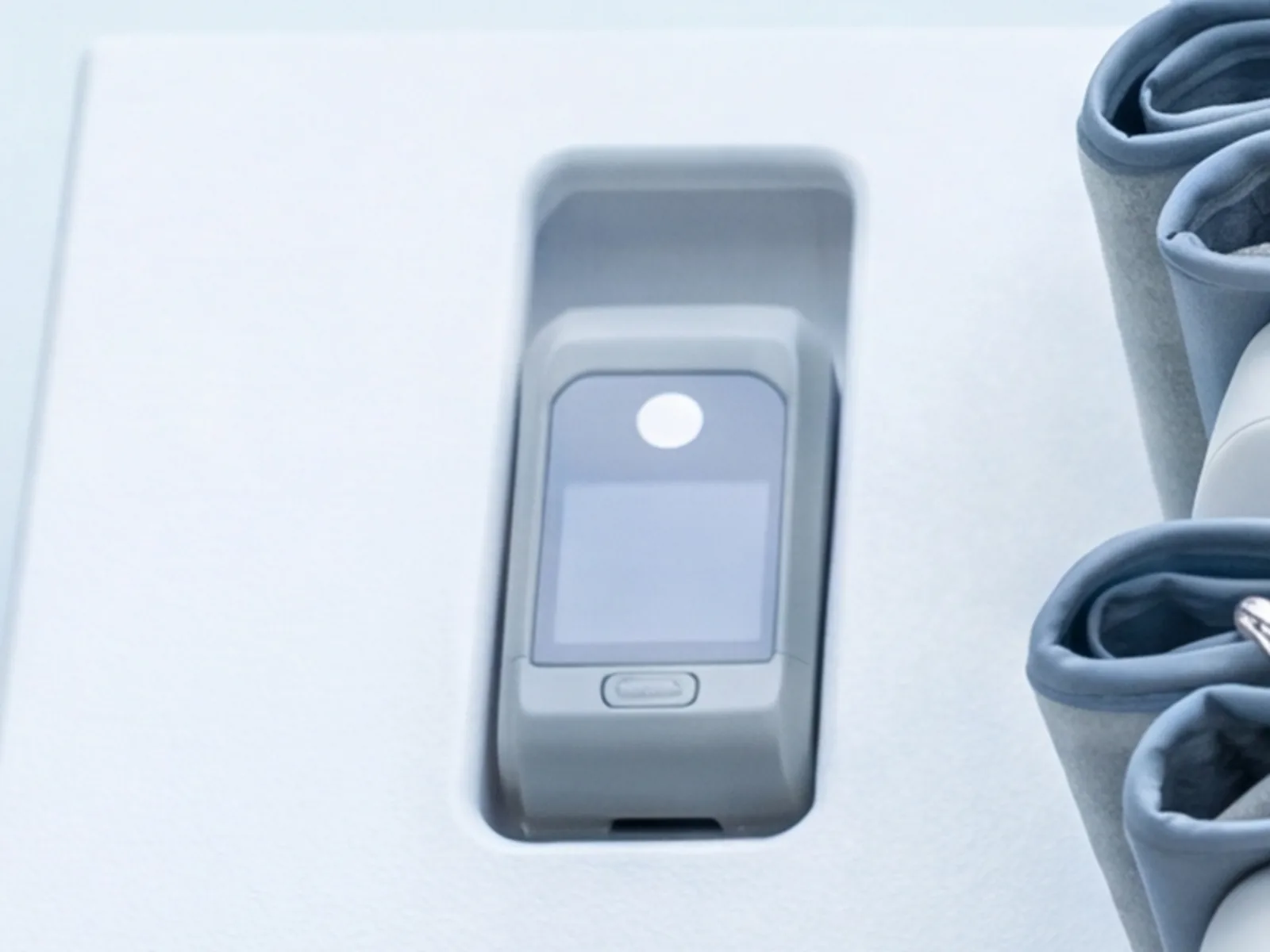
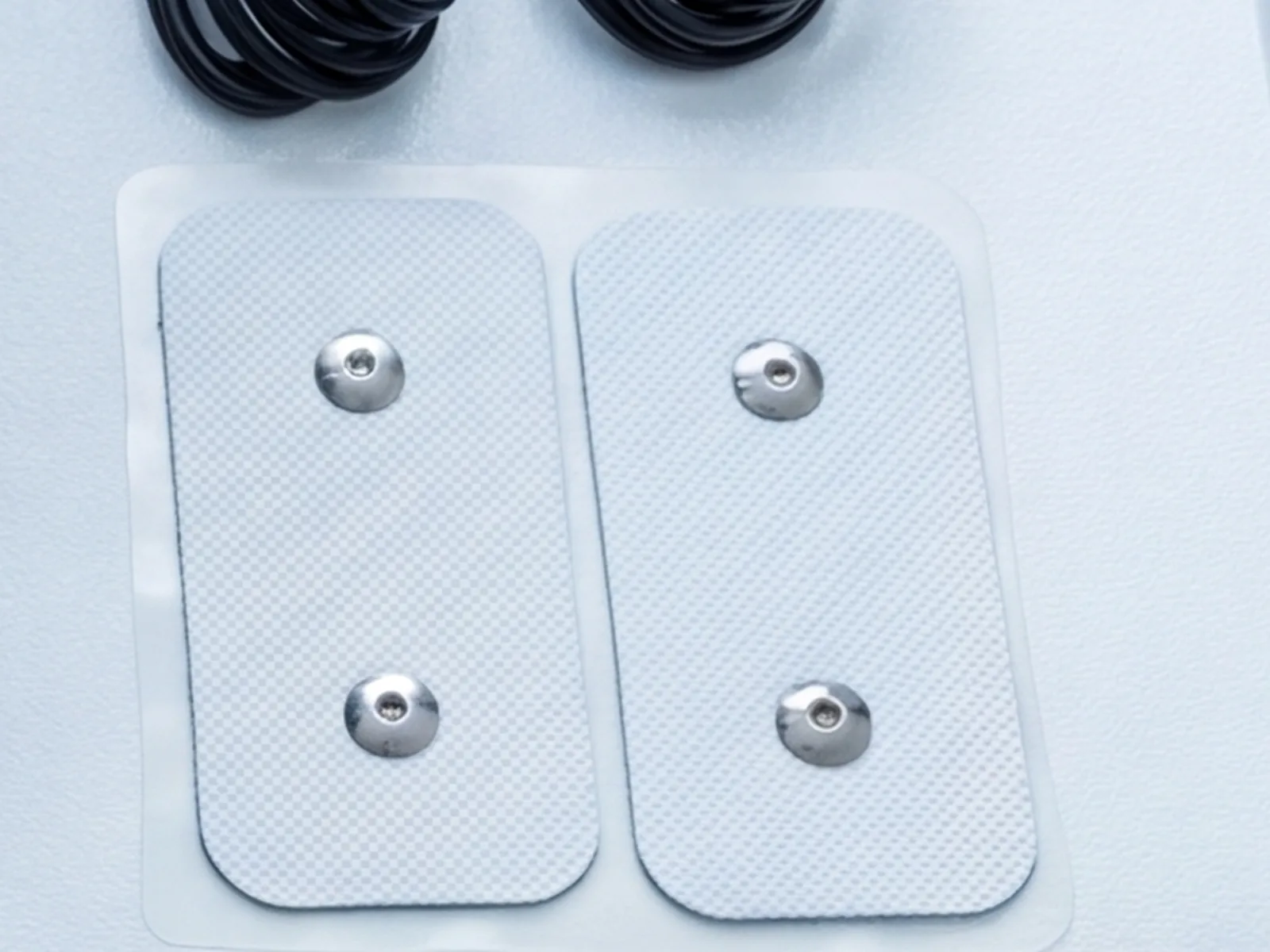
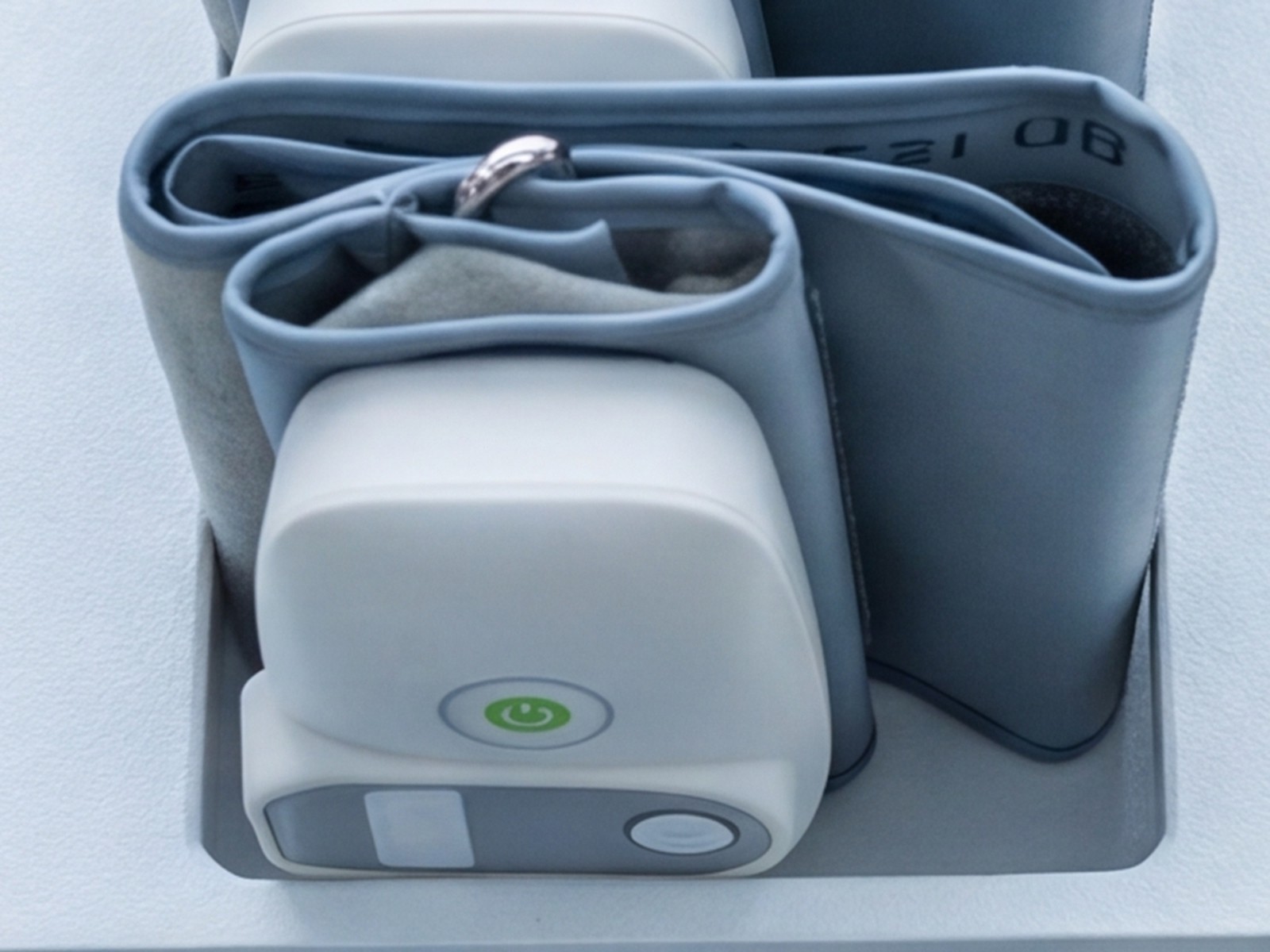
One chairside visit of about ten minutes, run by a trained technician rather than the physician. Finger probes, sudomotor electrodes, and arm and ankle cuffs go on with the patient seated. The system records heart-rate variability and PPG, sudomotor response, and ankle-brachial index; for sympathetic adrenergic testing the protocol includes a Valsalva maneuver and a tilt.
What does autonomic nervous system testing actually measure?
Autonomic testing characterizes sympathetic and parasympathetic function through measures such as heart-rate variability, sudomotor or galvanic skin response, and pulse-wave data. It describes autonomic balance and reactivity as measured indices. It does not by itself name a disease; the clinician interprets the values against the history and exam and decides what they mean for that patient.
Is heart rate variability testing standardized and reliable?
Heart-rate variability has documented diagnostic, prognostic, and monitoring value in the literature, and the same literature flags real limitations: measurement variability and a lack of standardization across studies. Treat HRV as a monitoring and adjunct measure rather than a stand-alone diagnostic number, and compare a patient against their own baseline captured on the same protocol.
How does sudomotor testing compare to Sudoscan or QSART?
All three assess sweat-gland function by different methods: galvanic skin response, electrochemical skin conductance, and the quantitative sudomotor axon reflex test. Reported sensitivity and specificity vary widely by study and by site. Sudomotor testing generally performs best alongside an established clinical instrument, and it does not replace QSART or nerve conduction studies where those are indicated.
Is TM-Flow useful as an adjunct in small fiber or diabetic neuropathy?
Autonomic and sudomotor testing is a recognized adjunct in small fiber and diabetic neuropathy workups, used alongside skin biopsy, monofilament testing, and the clinical exam. Reported performance varies by study, and it works best combined with an established clinical instrument. TM-Flow does not diagnose neuropathy; it documents measured indices the clinician interprets.
How is TM-Flow different from a formal autonomic testing lab?
A dedicated autonomic lab runs tilt-table, QSART, and thermoregulatory sweat testing as a comprehensive, specialist-run evaluation. TM-Flow's three cleared modules provide a faster in-office adjunct data set captured in about ten minutes. It is not equivalent to a full autonomic lab workup, and complex or unresolved presentations should still be referred to a formal lab.
When should autonomic and vascular testing be ordered?
Order it when it is clinically indicated for a specific patient presentation, with the indication documented in the record. It is not a routine screen and should never be run on every new patient or on a fixed schedule. Medicare's local coverage guidance for autonomic testing also specifies subject preparation, environmental control, and trained personnel for the test to be billable.
Can TM-Flow pair with other TITN diagnostics?
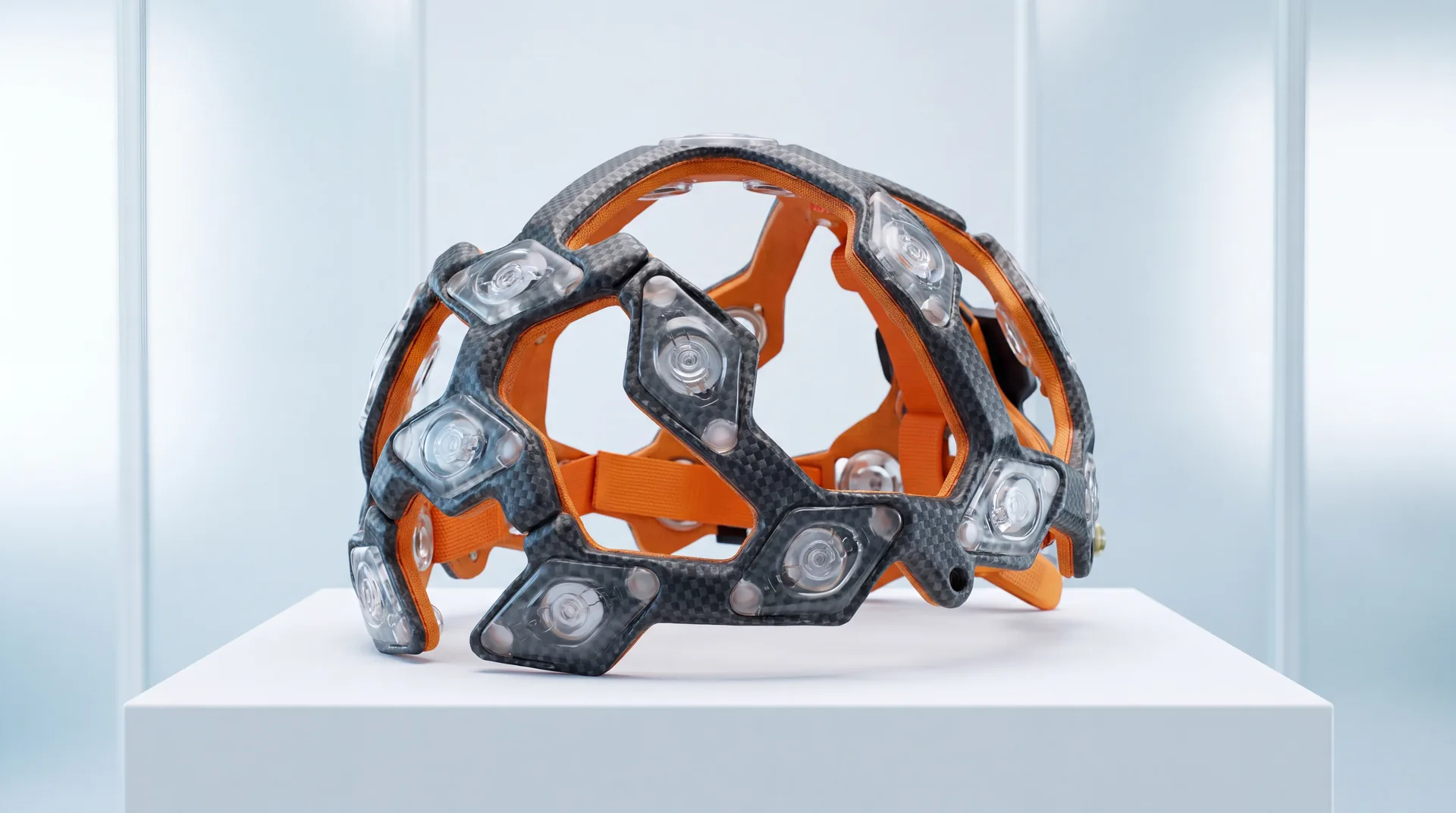
Yes. TM-Flow is the autonomic and vascular half of TITN's brain-plus-body baseline; the WAVi Scan System is the brain half. Run in the same visit, BMTG can interpret both together, baseline and retest, on one coherent read. TM-Flow autonomic data also feeds the Cognitive Function Report when it is used alongside WAVi.