For Personal-Injury Caseload Clinics

Instrument-recorded brain and autonomic documentation on injured patients in PI clinics.

Clinics carrying a personal-injury caseload use TITN to document quantified brain and autonomic findings on injured patients, with a board-certified neurologist read on the brain data. Your clinic stays the ordering provider.

WAVi TM-Flow BMTG Post-Injury Brain Function Report
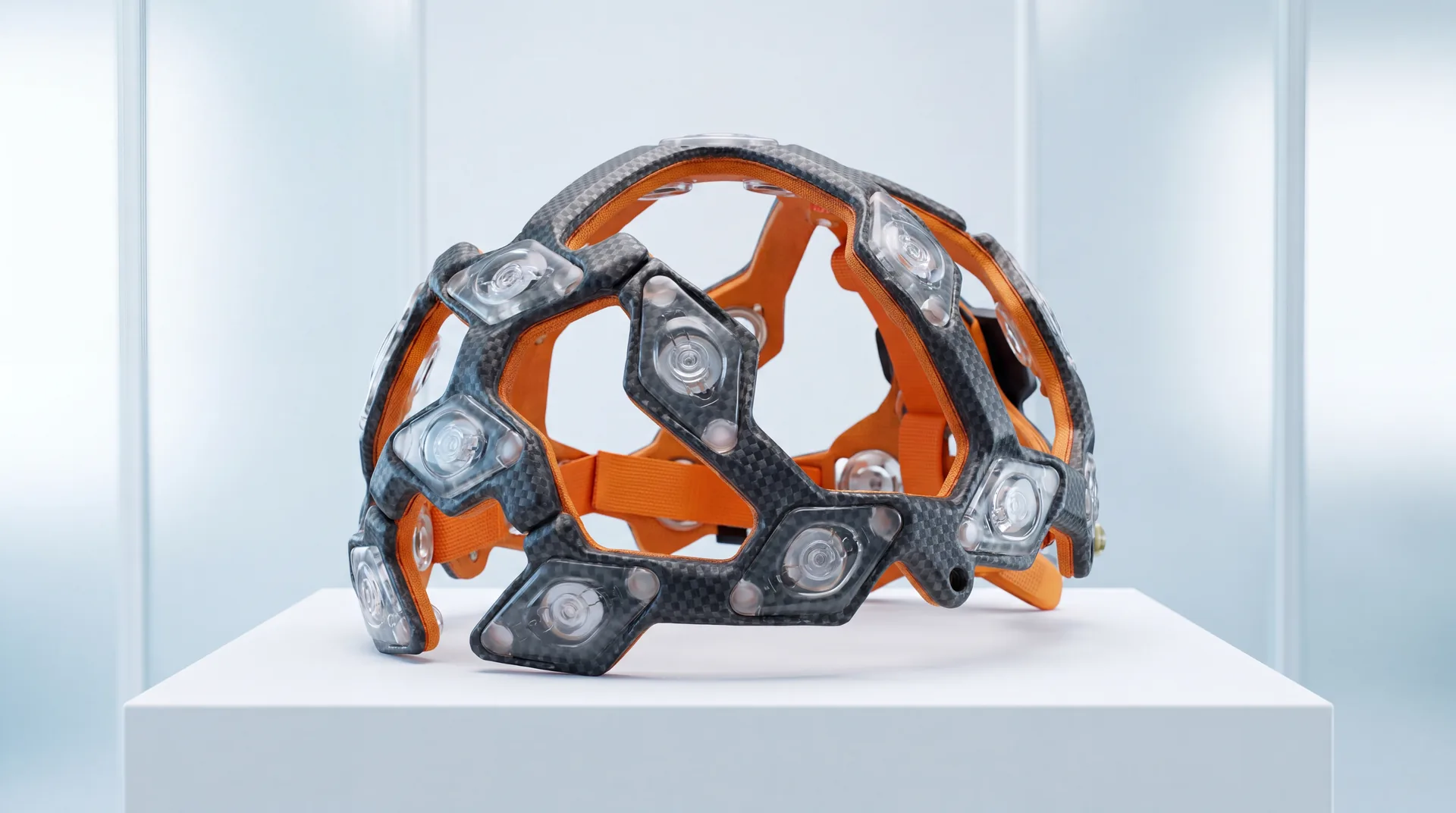
WAVi Scan System EEG and ERP headset in a TITN studio setting.
WAVi Scan System · EEG + ERP headset · about twenty minutes
Why PI caseload clinics work with TITN

Why add quantified brain and autonomic documentation to a personal-injury caseload?

Because structural imaging can be normal in mild traumatic brain injury while symptoms persist, which leaves the chart thin on measured findings. WAVi and TM-Flow add instrument-recorded data to the record when testing is clinically indicated. A board-certified neurologist interprets and signs the BMTG Post-Injury Brain Function Report, so the documentation carries a physician's read, not a device printout.

01

You order, you own it

Your clinic is the ordering provider on every study and the report routes back to you. Attorneys do not order the testing. You decide, per the case workflow, whether the report is shared with counsel.

02

Ordered when indicated

Testing is ordered on documented medical necessity for the individual patient, never as a routine step on every personal-injury patient or on a set schedule. That discipline is what keeps the documentation defensible.

03

A neurologist-signed read

BMTG returns a board-certified neurologist read on your WAVi data as the Post-Injury Brain Function Report, delivered through a HIPAA portal. The device captures the data; the neurologist writes and signs the clinical interpretation.

Diagnostics that fit PI caseload clinics

Which diagnostics fit a clinic seeing personal-injury patients?

WAVi for brain function, FDA 510(k) cleared (K213900) to aid in diagnosis, not to diagnose any condition on its own, about twenty minutes with the headset on. TM-Flow for autonomic, sudomotor, and vascular data, built on three FDA 510(k)-cleared modules (K173696, K152216, K200141), about ten minutes. Both feed your clinical record when ordered on documented medical necessity.

Brain platform
WAVi Scan System headset
Brain · EEG / ERP
WAVi Scan System

Quantified EEG and event-related potentials to aid cognitive and injury workups on PI patients. Quantified brain measurements from day one of care, with baseline and retest to track change over time.

What you look at Resting rhythms and P300 amplitude and latency at baseline, then again at retest. You stay the ordering provider; the WAVi-only Post-Injury Brain Function Report comes back signed by a board-certified neurologist. It documents measured findings; it does not diagnose.
FDA 510(k) K213900
Aid in diagnosisOpen page →
Autonomic platform
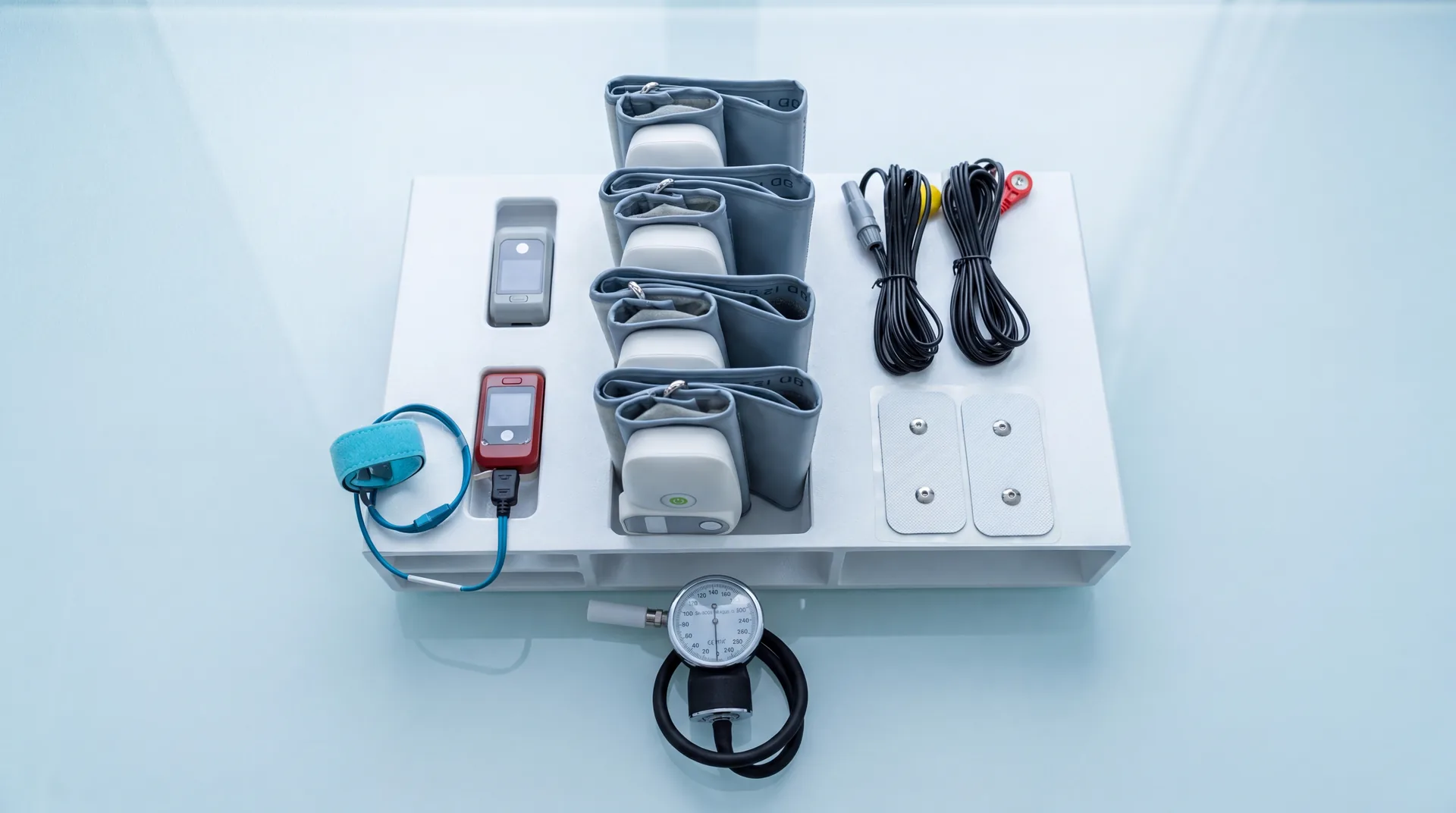
TM-Flow System workstation, ANS / SUDO / ABI
Autonomic · Sudomotor · Vascular
TM-Flow System
(ANS, SUDO, ABI)

Autonomic function, sudomotor, and ankle-brachial testing in one visit, documenting autonomic and vascular status after injury. Built on three FDA 510(k)-cleared modules (K173696, K152216, K200141).

What you look at Heart rate variability, galvanic skin response, and ankle-brachial indices, captured the same way each time the test is clinically indicated, so the retest is a true comparison.
K173696 · K152216 · K200141
LD TechnologyOpen page →
Sister service · Brainwave MedTech Group

A neurologist-signed report layer for your ordering clinic.

BMTG is TITN's interpretation arm. You order the tests on your PI patients; a board-certified neurologist reads the data and the report comes back to you. You are the ordering clinic throughout. The Post-Injury Brain Function Report is your neurologist-signed record of the measured findings in PI cases. The Cognitive Function Report is your clinical cognitive companion for ongoing patient care. Neither report diagnoses; each documents the measured data a clinician interprets.

Your PI documentation track · Post-Injury Brain Function Report

Quantified neurodiagnostic documentation, signed by a board-certified neurologist.

You order the WAVi brain assessment on your PI patient. A BMTG board-certified neurologist reads it and signs a report of the measured findings, written for the record. The signing neurologist can support deposition. The report is delivered to you as the ordering clinic; billed directly or on lien depending on case structure.

  • Quantified EEG / ERP findings, written for the legal record
  • You stay the ordering provider throughout
  • Admissibility is decided by the court and varies by jurisdiction
Post-Injury Brain Function Report page →
Clinical cognitive companion · Cognitive Function Report

Neurologist-read cognitive reports for your ongoing PI patient care.

The Cognitive Function Report gives you a clinical cognitive read on your PI patients for ongoing care decisions. Read by a BMTG board-certified neurologist, returned through our HIPAA portal inside 7 business days.

  • WAVi EEG / ERP data, read by a BMTG board-certified neurologist
  • A clinical tool for ongoing patient care decisions
  • Returned through our HIPAA portal inside 7 business days
Cognitive Function Report page →

TITN and BMTG reach attorneys through education only. The ordering provider is the customer. Quantified reports aid clinical and legal decisions; they do not replace them, and admissibility is decided by the court and varies by jurisdiction.

Coverage

Is it covered, and how is it billed?

Medical necessity comes first. Every test in this table is for use when it is clinically indicated and medically necessary for that patient. We set your workflow to that standard and give you the documentation to support it. Coverage and payment are decided by each payer on the documented indication. Nothing here is a guarantee of payment.
WAVi The scan is billed under the standard codes for the services performed, and your payer decides each line. Decided by your payerno TITN figure; ask for the worksheet
Physician visit The physician\'s cognitive assessment and care plan visit is a separate service with its own required elements, billed only when it is performed and documented. Decided by your payerper the CMS cognitive assessment policy
Coverage by contractor and plan Autonomic function testing on the TM-Flow modules, measuring HRV and sudomotor response on PI patients. No TITN figurecoverage and payment set by your MAC and plan
BMTG Post-Injury Brain Function Report Neurologist-signed documentation of the measured findings, delivered for PI cases. No insurance claim filed for the report itself. Cash-pay or liendepending on case structure; set between your clinic and BMTG
What you get

What comes with a placement?

The reason clinics keep the equipment running is the wrap around it. Here is what comes with a PI caseload placement, and how we build the practice around it.

Supported from day one
01

Clinical training

Live sessions, recorded walkthroughs, and interpretation guides. Your team runs real tests; a TITN clinical trainer reviews the reports with them until interpretation sticks.

02

Billing optimization

The coverage checklist per device, your contractor's policy read with you, documentation templates, and your certified coder in the loop.

03

Implementation

On-site or remote setup, calibration, and staff onboarding. A named TITN contact, not a ticket queue.

04

Financing

Flexible financing structures designed around your expected reimbursement timing. Multiple lender and lease pathways with transparent ROI modeling.

We grow the practice around it
01

Consulting

Workflow design, reimbursement coaching, protocol setup. Practical, billable advice.

02

WordPress Websites

Mobile-first WordPress sites with scheduling baked in. The same aesthetic as this one.

03

Marketing Video

AI-generated brand films or full productions filmed at your clinic. Edited, scored, finished.

04

SEO + CRM

Local SEO, structured data, and CRM lead-intake that routes new-patient inquiries automatically.

Proof

Why PI clinics choose TITN.

Neurologist-signed Every Post-Injury Brain Function Report conclusion is signed by a board-certified neurologist.
You stay the orderer The report routes back to the ordering provider, who remains the patient's point of care.
Standalone available The Post-Injury Brain Function Report can be ordered without owning a WAVi system or building out a clinic.
Common questions

PI caseloads, answered.

What a clinic seeing personal-injury patients asks before ordering.

Which diagnostics fit a personal-injury caseload?

WAVi brain assessment and TM-Flow autonomic and vascular testing. WAVi is FDA 510(k) cleared (K213900) to aid in diagnosis, not to diagnose any condition on its own; TM-Flow is built on three FDA 510(k)-cleared modules. Both are ordered when clinically indicated on the individual patient, and your clinic remains the ordering provider throughout. WAVi data can also support a BMTG Post-Injury Brain Function Report read and signed by a board-certified neurologist.

Is personal-injury testing covered?

Coverage is decided by your payer on the documented indication. WAVi is billed under the standard codes for the services performed; the physician's cognitive assessment visit is billed separately when performed. TM-Flow coding is confirmed with your own certified coder before the first claim; TITN recommends no code, and California's contractor publishes no autonomic policy. Ask us for the coverage checklist and confirm every code with your certified coder.

Is qEEG or WAVi testing accepted as evidence of brain injury in court?

Admissibility is decided by the court and varies by jurisdiction. Courts in several states have excluded qEEG-based evidence offered to prove a traumatic brain injury diagnosis, so no one can promise a report will be admitted. The Post-Injury Brain Function Report states its scope narrowly: instrument-recorded EEG and event-related potential measurements, interpreted and signed by a board-certified neurologist who can support deposition. It does not assign legal causation or liability.

Who orders the testing, the clinic or the attorney?

The treating clinic orders it. TITN and BMTG work with the ordering provider, not with counsel, and the signed report routes back to that provider, who remains the patient's point of care. The provider decides whether and when the report is shared with an attorney per the case workflow. Testing is ordered on documented medical necessity for that patient, not because a case exists.

What is the difference between an IME and a Post-Injury Brain Function Report from our own testing?

An independent medical examination is typically arranged outside the treating relationship, often by the defense. The BMTG Post-Injury Brain Function Report is documentation of your own patient's testing: quantified EEG and event-related potential findings recorded on an FDA-cleared instrument and signed by a board-certified neurologist. It adds measured findings to the treating record; it is not itself an independent legal examination.

Does a device-based test replace neuropsychological evaluation?

No. A comprehensive neuropsychological evaluation is a longer, in-depth assessment and covers ground a brief EEG and event-related potential study does not. WAVi is cleared to aid in diagnosis, which means the data supports the clinician's process rather than standing alone. Treat the Post-Injury Brain Function Report as a complementary, objective data point and refer for full neuropsychological testing when the clinical picture calls for it.

Can autonomic testing document a physiological injury after an accident?

TM-Flow records autonomic, sudomotor, and vascular measurements in about ten minutes, which gives the chart objective, repeatable data after an accident. The published literature on heart-rate variability flags measurement variability and limited standardization, so the findings are supportive documentation interpreted by the clinician, not proof of causation. Coverage is decided by your payer on the documented indication.

How long does the testing take, and who reads it?

The WAVi assessment runs about twenty minutes with the headset on, and it is run by a trained tech, not the physician. TM-Flow takes about ten minutes. The in-office system captures the data; a board-certified neurologist interprets and signs the BMTG report through a HIPAA portal. Credentials, including board certification and license number, are on file and available on request.
Start with your PI caseload practice.

A short call covers devices, reimbursement, the Post-Injury Brain Function Report workflow, and onboarding for your clinic. No commitment beyond the first conversation.

Prefer email? support@transitionitnow.com  ·  (213) 444-6123  ·  Santa Monica, CA
Sources & verification Every clearance, code, and figure on this page traces to a live source. View the sources

FDA 510(k) clearances verified in the openFDA device database. Coverage policies are read in the CMS Medicare Coverage Database. Coverage and payment are decided by each payer on the documented indication; nothing on this site is a guarantee of payment.