For Endocrinology Practices

Sudomotor and autonomic measures for the diabetes workup in endocrinology.

Recorded rather than inferred from the symptom history alone: endocrinology practices use TITN to add sudomotor and heart-rate-variability autonomic testing to diabetes and metabolic workups, with ankle-brachial index screening in the same chairside visit, ordered when clinically indicated.

TM-Flow Genetic Panels Max Pulse
TM-Flow System workstation with the autonomic, sudomotor and vascular modules.
TM-Flow System · autonomic, sudomotor, vascular · about ten minutes
Why endocrinology practices work with TITN

Why add sudomotor and autonomic testing to a diabetes workup?

Because it documents autonomic and small-fiber measures that a symptom history alone does not capture. Sudomotor response and heart-rate variability are recorded chairside as measured indices, and the ankle-brachial index supports peripheral arterial disease screening in adults at risk. Published work positions these as adjuncts to the monofilament and clinical exam, not replacements for them.

01

Adjunct, not replacement

Sudomotor and heart-rate-variability data sit alongside the standard neuropathy exam. Reported sensitivity and specificity vary by study and population, and accuracy improves when the measure is paired with a validated screening instrument rather than used alone.

02

Ordered on indication

Every workflow is set to documented medical necessity. Nothing is run on a schedule or on every patient, and coverage for autonomic testing is diagnosis-code and payer dependent.

03

Genetics without a lab

Provider-ordered panels are referred to PreCheckHealth, a CLIA-certified and CAP-accredited lab. The lab handles panel billing directly. Your practice orders the panel and reads the result; it does not stand up genetics billing.

Diagnostics that fit endocrinology

Which devices and panels fit an endocrinology workflow?

TM-Flow, built on three FDA 510(k)-cleared modules (K173696, K152216, K200141), captures sudomotor response, heart-rate variability, and ankle-brachial index in about ten minutes. Max Pulse (K110374) is a pulse-wave cardiovascular screen, not a diagnostic test, billed directly to the patient. Provider-ordered genetic panels run through PreCheckHealth.

Autonomic platform
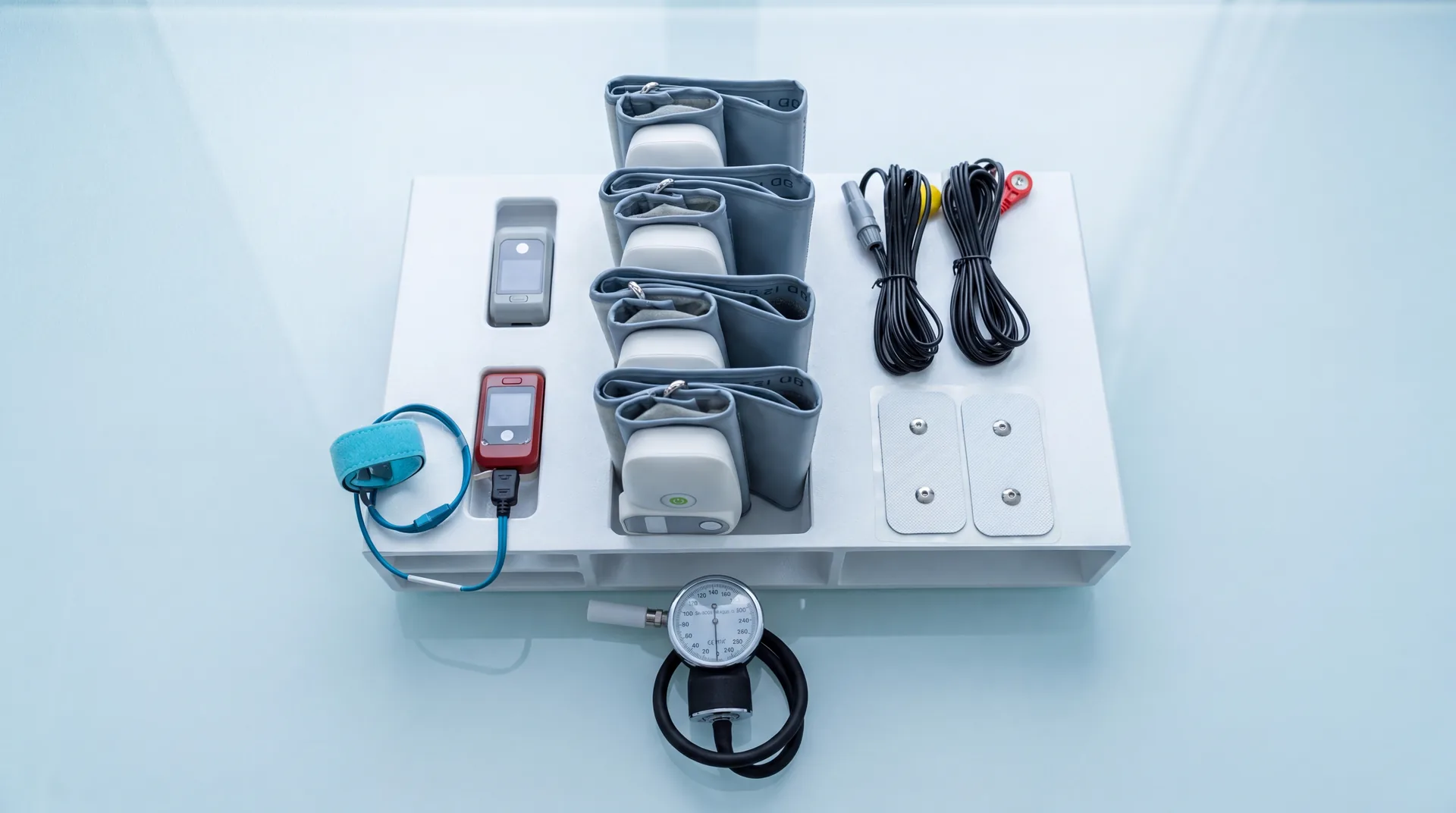
TM-Flow System workstation, ANS / SUDO / ABI
Autonomic · Sudomotor · Vascular
TM-Flow System
(ANS, SUDO, ABI)

Autonomic function, sudomotor testing, and peripheral vascular screening in one visit. Sudomotor function and heart-rate variability document autonomic measures relevant to diabetes management. Built on three FDA 510(k)-cleared modules.

What you look at Sudomotor function from galvanic skin response and autonomic nervous system function from heart rate variability, documented as measured indices. A baseline in metabolic care that the retest is compared against.
K173696 · K152216 · K200141
LD TechnologyOpen page →
Clinical genetic panels via PreCheckHealth
Pharmacogenomics · Risk panels
Genetic Panels

PharmacoCheck+ pharmacogenomics through PreCheckHealth, drug-metabolizing enzyme variants read as one input to a prescribing decision. Other PreCheckHealth panels are ordered only when a specific question is on the table. Run by a CLIA-certified lab. Clinical, not a consumer test.

How it works Patient-referral PreCheckHealth manages billing for the panel; your clinic refers the patient and does not submit a claim.
CLIA-certified lab Via PreCheckHealth
PreCheckHealth labOpen page →
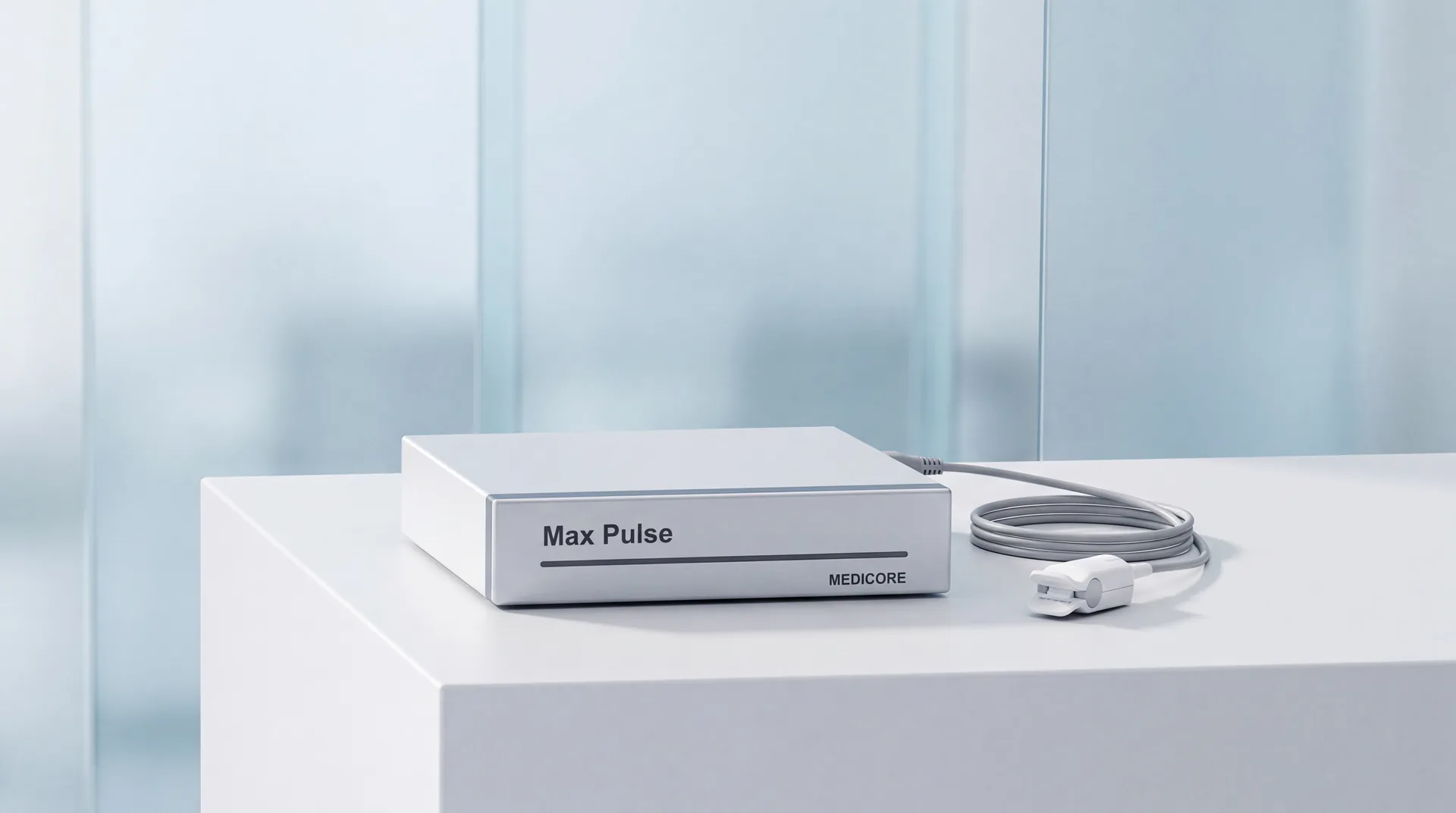
Max Pulse cardiovascular screening device
Cardiovascular · Screening
Max Pulse

Pulse-wave cardiovascular screening in about one to three minutes at the consult. A fast measured cardiovascular snapshot alongside the autonomic and genetic workup, not a replacement for a formal cardiac workup.

Positioning Cash pay offered at the visit, with pricing set by your practice.
FDA 510(k) K110374 No insurance claim filed
Medicore Co., Ltd.Open page →
Coverage

Is it covered, and how is it billed?

Medical necessity comes first. Every test in this table is for use when it is clinically indicated and medically necessary for that patient. We set your workflow to that standard and give you the documentation to support it. Coverage and payment are decided by each payer on the documented indication. Nothing here is a guarantee of payment.
Coverage by contractor and plan Autonomic and sudomotor testing on the TM-Flow modules, used in diabetes-related autonomic and metabolic workups. No TITN figurecoverage and payment set by your MAC and plan
No claim filed Max Pulse cardiovascular screening, offered at the consult with pricing set by your practice. Set by your practiceno insurance claim filed for the screening
Referral Clinical genetic panels through PreCheckHealth. The lab handles billing for the panel; your clinic refers and does not submit a claim. Lab-billedyour clinic refers; it does not bill the panel
What you get

What comes with a placement?

The reason clinics keep the equipment running is the wrap around it. Here is what comes with an endocrinology placement, and how we build the practice around it.

Supported from day one
01

Clinical training

Live sessions, recorded walkthroughs, and interpretation guides. Your team runs real tests; a TITN clinical trainer reviews the reports with them until interpretation sticks.

02

Billing optimization

The coverage checklist per device, your contractor's policy read with you, documentation templates, and your certified coder in the loop.

03

Implementation

On-site or remote setup, calibration, and staff onboarding. A named TITN contact, not a ticket queue.

04

Financing

Flexible financing structures built around your expected reimbursement timeline. Multiple lender and lease pathways with transparent ROI modeling.

We grow the practice around it
01

Consulting

Workflow design, reimbursement coaching, protocol setup. Practical, billable advice.

02

WordPress Websites

Mobile-first WordPress sites with scheduling baked in. The same aesthetic as this one.

03

Marketing Video

AI-generated brand films or full productions filmed at your clinic. Edited, scored, finished.

04

SEO + CRM

Local SEO, structured data, and CRM lead-intake that routes new-patient inquiries automatically.

Proof

Why endocrinology practices choose TITN.

Three cleared modules TM-Flow is built on three FDA 510(k)-cleared modules (K173696, K152216, K200141); Max Pulse is cleared under K110374.
Accredited lab Genetic panels run through PreCheckHealth, a CLIA-certified and CAP-accredited laboratory, provider-ordered and not consumer SNP testing.
One chairside visit Sudomotor, autonomic, and vascular measures are captured in about ten minutes without a separate lab.
Common questions

Endocrinology, answered.

What an endocrinology practice asks before ordering.

Which diagnostics fit an endocrinology practice?

TM-Flow, provider-ordered genetic panels, and Max Pulse. TM-Flow is built on three FDA 510(k)-cleared modules (K173696, K152216, K200141) and captures sudomotor response, heart-rate variability, and ankle-brachial index chairside in about ten minutes. Genetic panels, including pharmacogenomics, are ordered through PreCheckHealth. Max Pulse (K110374) is a cardiovascular screen billed directly to the patient.

Is it covered, and what does the patient pay?

Coverage and coding for TM-Flow are decided by your payer on the documented indication, the equipment used, and the interpreting physician's training, and CMS local coverage articles make autonomic testing diagnosis-code dependent. Confirm with your own contractor and certified coder; TITN recommends no code. PreCheckHealth bills the genetic panels directly. Max Pulse is billed directly to the patient.

Is sudomotor testing validated for diabetic peripheral neuropathy screening?

It is best treated as an adjunct. Reported sensitivity and specificity for electrochemical skin conductance vary widely by study, device, and population, with specificity lower in some cohorts. The published work suggests accuracy improves when the measure is combined with an established screening instrument, and it is not a replacement for the monofilament test, the clinical exam, or nerve conduction studies.

Can autonomic testing show changes before neuropathy symptoms appear?

The intent of the measure is early documentation, but the evidence supports hedging. Studies show sudomotor and heart-rate-variability findings correlate with clinical signs of autonomic and peripheral nerve involvement, without demonstrating universal sensitivity at the earliest stages. TM-Flow documents measured indices; it does not detect or diagnose neuropathy, and your clinician interprets the values against the whole picture.

Is pharmacogenomic testing accurate and useful for endocrine medication decisions?

Panel content and evidence tiers vary, and the ordering clinician decides how much weight a result carries. CPIC publishes peer-reviewed, evidence-graded gene-drug guidance, and published comparisons have found meaningful discordance between some commercial reports and CPIC-based interpretation. Cross-check any pharmacogenomic result against current CPIC guidance where a relevant gene-drug pair exists, and treat the report as one input among several.

Do multi-gene panels actually change my treatment plan?

It depends on the gene and the clinical question. Clinical utility is well established for some genes on a multi-gene panel and limited for others, so a bundled panel should not be presented as uniformly actionable. Order the panel that answers a question already on the table, read each finding on its own evidence, and use the genetic counseling available through PreCheckHealth when results carry counseling implications.

Who bills for the genetic testing, my practice or the lab?

PreCheckHealth bills the panels directly, including insurance billing where a panel is covered. Your practice orders the test and receives the result; it does not set the price, guarantee coverage, or learn genetics billing. TITN refers, PreCheckHealth bills. These are provider-ordered clinical panels, not consumer SNP testing, and genetic counseling is available through the lab by phone or email.

What training does my staff need to run in-office autonomic testing?

Vendor-led onboarding is the standard pattern for point-of-care testing, and autonomic testing in particular has documented preparation, environment, and trained-personnel requirements. A trained technician runs TM-Flow, not the physician, following the same placement and rest protocol every visit so the retest is a true comparison. TITN covers that training, implementation, and support through the first retest.

Start with your endocrinology practice.

A short call covers the TM-Flow, genetic panels, Max Pulse, and the billing path for endocrinology. No commitment beyond the first conversation.

Prefer email? support@transitionitnow.com  ·  (213) 444-6123  ·  Santa Monica, CA
Sources & verification Every clearance and code on this page traces to a live source. View the sources

FDA 510(k) clearances verified in the openFDA device database. Coverage policies are read in the CMS Medicare Coverage Database. Coverage and payment are decided by each payer on the documented indication; nothing on this site is a guarantee of payment.