Diagnostics · Body · Autonomic & Vascular

TM-Flow System (ANS, SUDO, ABI)

One ten-minute chairside visit. Three FDA clearances.

A three-module autonomic and vascular workstation by LD Technology: autonomic function, sudomotor, and ankle-brachial index. Each module holds its own FDA 510(k) clearance to aid in diagnosis. Reimbursable, fast to run, and interpreted through BMTG. The body half of TITN's baseline, treat, retest method.

FDA 510(k): K173696 · K152216 · K200141 Three modules Reimbursable: 95921 to 95924, 93922, 93923 Aid in diagnosis
3 modules
ANS, sudomotor, vascular
3 clearances
K173696 · K152216 · K200141
~10 min
Typical chairside test time
$300 to $400
Typical per autonomic test, from EOB data
$350 to $500
Typical cash-pay range
The Three Modules

One workstation, three cleared assessments.

TM-Flow runs autonomic, sudomotor, and vascular assessments from a single chairside cart. Each module carries its own FDA 510(k) clearance. Run them together for a complete body picture, or order what the visit calls for.

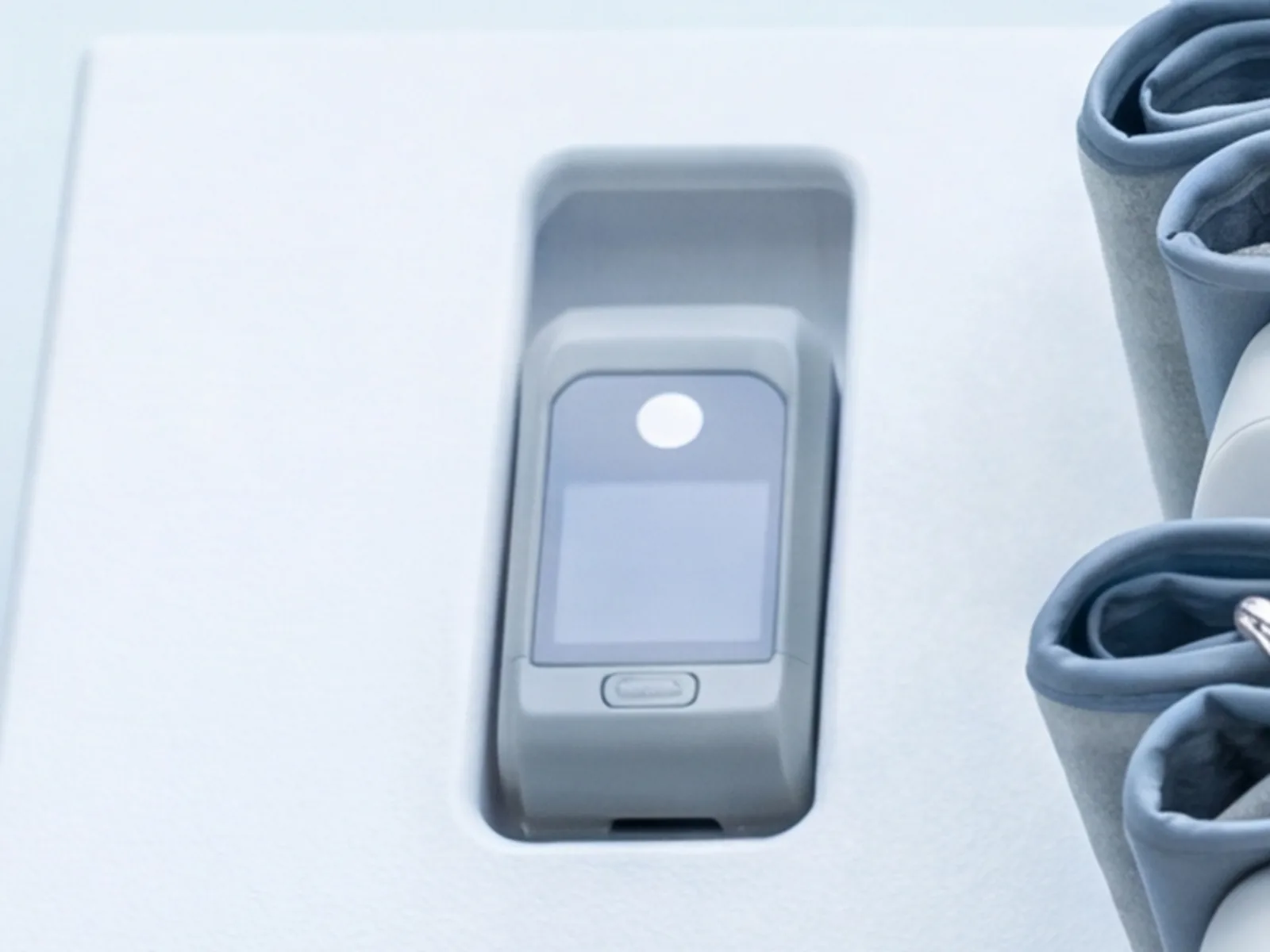
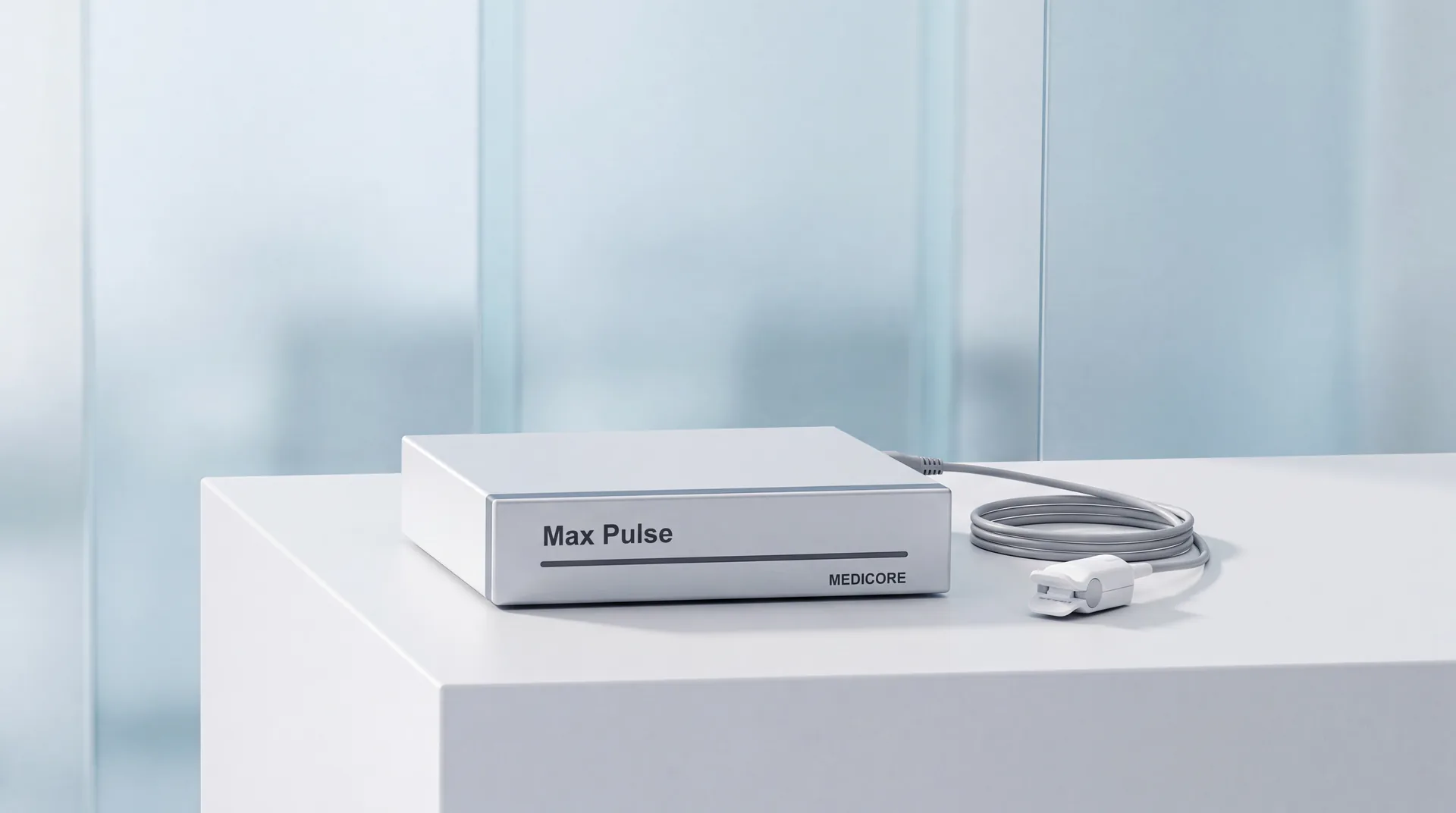
ANS / HRV photoplethysmography pulse sensor
FDA 510(k) K200141

Autonomic function

Oxi-W · HRV + photoplethysmography (PPG)

Heart-rate variability and PPG capture the balance of sympathetic and parasympathetic activity. The objective autonomic baseline for the visit.

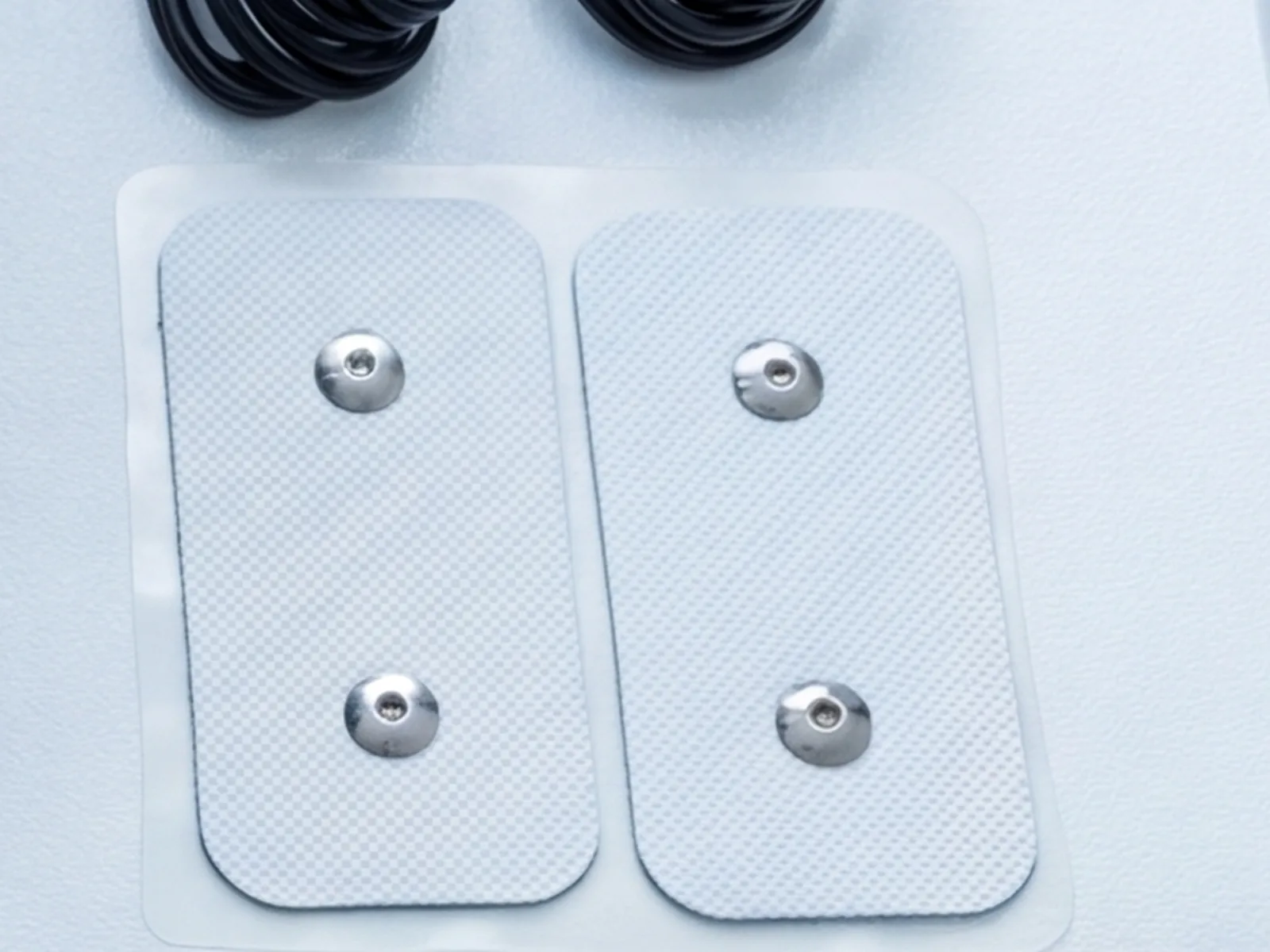
Sudomotor SudoC galvanic skin response electrode pads
FDA 510(k) K152216

Sudomotor

SudoC · galvanic skin / sweat-gland response

Measures sweat-gland function, an early window on small-fiber and peripheral autonomic status. Quick, non-invasive, electrode-based.

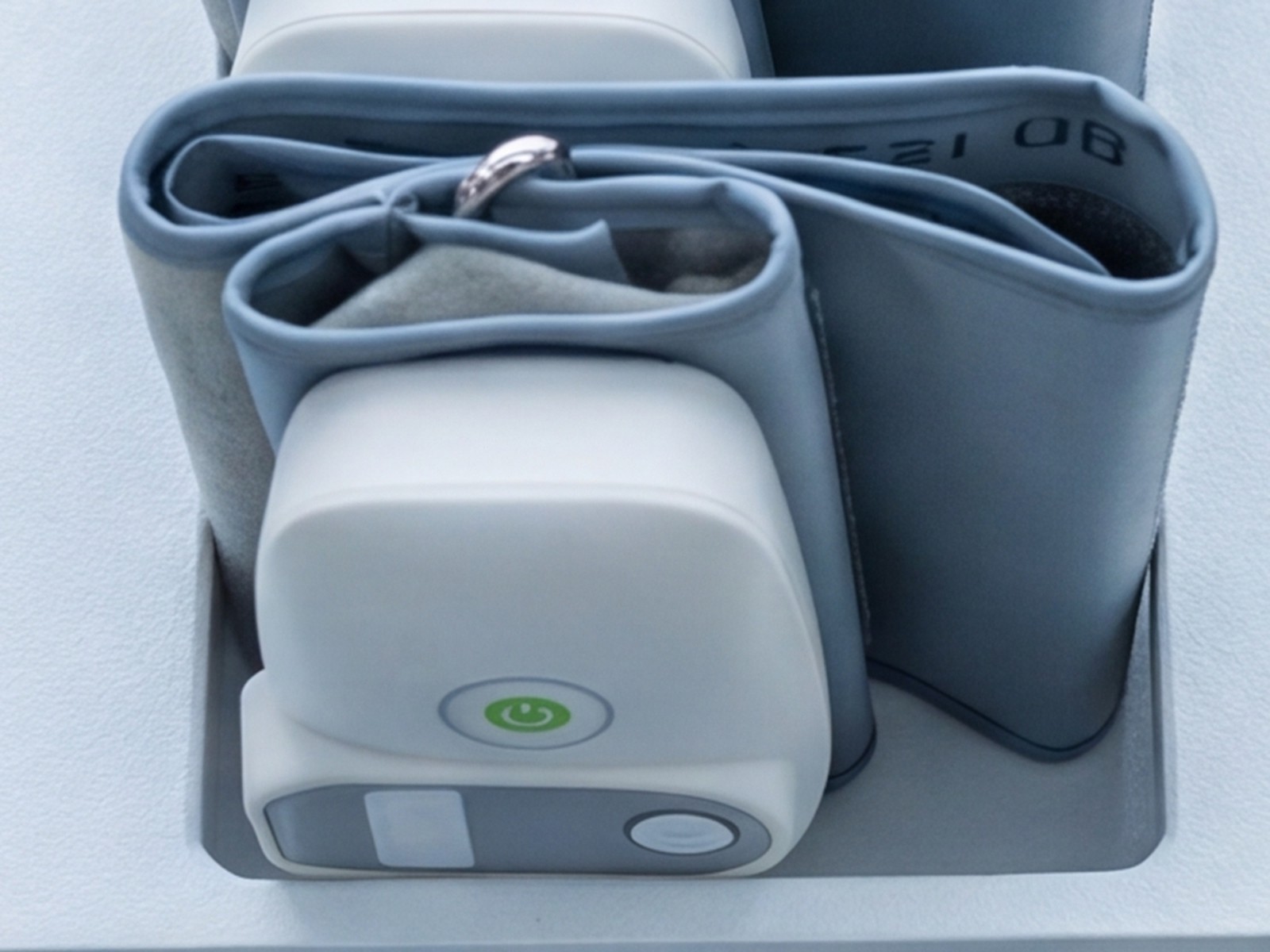
Ankle-brachial index blood pressure cuff
FDA 510(k) K173696

Ankle-brachial index & vascular

TBL-ABI · peripheral arterial assessment

Ankle-brachial index and peripheral vascular assessment, an aid in screening for peripheral arterial disease. Cuff-based, chairside.

Clearance & Indications

Cleared to aid in diagnosis. We say exactly that, nothing more.

TM-Flow captures and analyzes autonomic, sudomotor, and vascular signals. The clinician interprets them. We hold the claims to the cleared indications, and BMTG adds the physician read so you do not have to.

FDA 510(k) Clearances
LD Technology, LLC · three cleared modules
510(k) cleared
FDA 510(k) records
  • K173696 · TBL-ABI, ankle-brachial index and peripheral vascular assessment
  • K152216 · SudoC, sudomotor (sweat-gland) function
  • K200141 · Oxi-W, heart-rate variability and PPG (autonomic)
What TM-Flow measures
  • Autonomic (ANS) · heart-rate variability and PPG, sympathetic / parasympathetic balance
  • Sudomotor (SUDO) · sweat-gland response, small-fiber and peripheral autonomic status
  • Vascular (ABI) · ankle-brachial index and peripheral arterial screening
Positioning
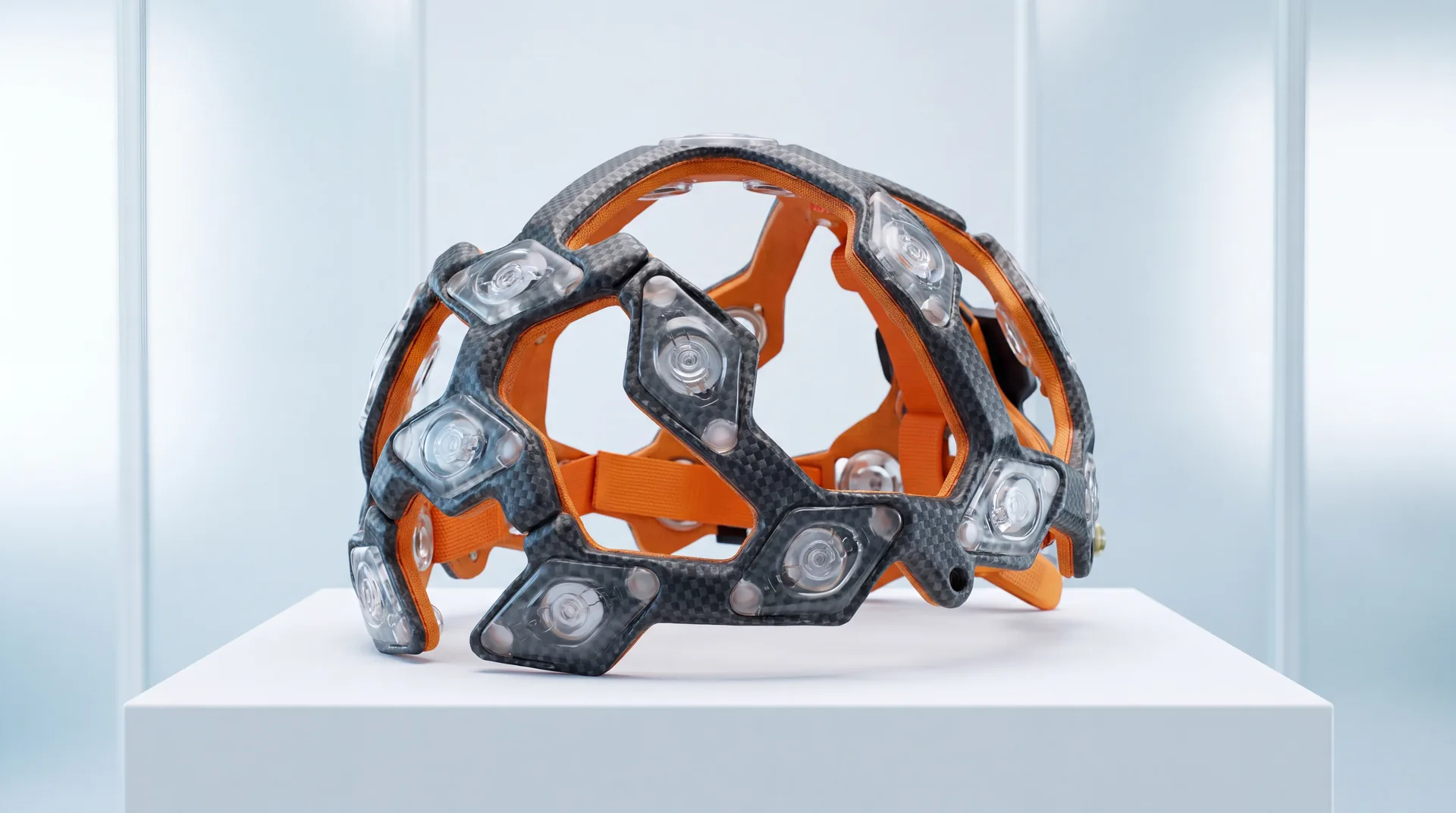
TM-Flow is the body half of TITN's brain-plus-body baseline. Pair it with the WAVi Scan System for an objective picture across the nervous system, captured the same way every visit so the retest is a true comparison.
Reimbursement
Billable, payer-dependent, documented
When medically necessary $300 to $400 per autonomic test. Typical from TITN aggregated EOB data. Varies by payer, plan, and locality.
Cash-pay range $350 to $500 typical self-pay per test, set by the practice.
Reimbursable CPT codes
  • 95921 · 95922 · 95923 · 95924 · autonomic nervous system function testing
  • 93922 · 93923 · peripheral arterial / vascular studies

Coding details below. Verify your locality with the CMS PFS Look-Up. Coverage and reimbursement vary by payer.

What TITN claims: TM-Flow captures autonomic, sudomotor, and vascular data to aid the clinician in diagnosis. Reimbursable under the listed CPT codes when documentation supports medical necessity.
What TITN does not claim: TM-Flow does not diagnose diabetic neuropathy, peripheral arterial disease, autonomic dysfunction, or any condition as a standalone test, and does not treat any condition. Interpretation is the clinician's. Each result is an aid in diagnosis only.
Coding Notes

The codes, with the gotchas spelled out.

Autonomic and vascular testing have specific bundling and documentation rules. Here is the working reference so the claim goes out clean. Always confirm against current payer policy.

95921
Autonomic function test, cardiovagal innervation (parasympathetic), with at least two recorded autonomic functions.
95922
Autonomic function test, vasomotor adrenergic innervation (sympathetic). Requires a Valsalva maneuver plus a 5-minute tilt to support the code.
95923
Autonomic function test, sudomotor, including quantitative measures of sweat-gland response.
95924
Combined parasympathetic and sympathetic adrenergic function testing with tilt. Not billed together with 95921 or 95922.
93922
Limited bilateral noninvasive physiologic studies of upper or lower extremity arteries: 1 to 2 levels.
93923
Complete bilateral noninvasive physiologic studies of upper or lower extremity arteries: 3 or more levels.
Coding gotchas: 95924 is not billed with 95921 or 95922. 95922 needs a documented Valsalva maneuver plus a 5-minute tilt. For vascular, 93922 covers 1 to 2 levels and 93923 covers 3 or more levels. ICD-10 note: pair with a billable autonomic diagnosis such as G90.09 (other idiopathic peripheral autonomic neuropathy); do not bill the non-billable header G90.8.
Clinical Use

One ten-minute visit, many clinical questions.

Where an objective autonomic and vascular baseline helps the conversation with your patient. Each of these is an aid to your clinical judgment, captured the same way every time so the retest is a true comparison.

Autonomic balance baseline

HRV and PPG give an objective read on sympathetic / parasympathetic balance, supporting earlier conversations and longitudinal tracking. Aid in diagnosis, not a standalone diagnosis.

Small-fiber screening support

Sudomotor (SudoC) data adds objective context to small-fiber and peripheral autonomic evaluations, interpreted by your clinician.

Peripheral vascular screening

Ankle-brachial index supports screening for peripheral arterial disease, a chairside aid alongside the rest of the cardiovascular workup.

Metabolic + endocrine context

For diabetic and metabolic patients, autonomic and sudomotor markers add an objective read on peripheral nerve and vascular status, captured chairside.

Longitudinal monitoring

The same protocol at intervals turns "I think this is improving" into a side-by-side trend the patient and payer can see.

Treatment validation

Run TM-Flow before and after a therapeutic protocol to document objective change in autonomic and vascular markers, not impressions.

How the Test Works

Probes and cuffs on. Ten minutes. A report read for you.

A trained tech runs it, not the physician. Consistent placement and protocol are what make the retest a real comparison.

01

Setup chairside

Finger probes, sudomotor electrodes, and ankle / arm cuffs go on with the patient seated. No prep beyond the standard rest period.

02

Three-module capture

The system records HRV and PPG, sudomotor response, and ankle-brachial index. For sympathetic adrenergic testing, the protocol includes a Valsalva maneuver and a 5-minute tilt.

03

Automated analysis

TM-Flow quantifies the autonomic, sudomotor, and vascular signals and surfaces the patterns worth a clinician's attention.

04

Report on the portal

Results return on TITN's HIPAA-compliant portal with template visuals, interpreted through BMTG. You get a read, not a raw tracing.

BMTG Interpretation

The physician read, on the right report.

Every TM-Flow test can come back interpreted. BMTG, TITN's sister service, delivers a clinical read so the right physician signs the right deliverable. You stay in your specialty.

For doctors · Clinical read

Interpreted autonomic + vascular reports, on our HIPAA portal.

TM-Flow results (and WAVi brain data where used) come back through TITN's HIPAA-compliant portal with our template visuals and wording. Interpreted by a BMTG team physician, or by your own physician using our templates. For cardiology, endocrine, neurology, and functional / longevity use.

  • Reimbursable through the standard clinical CPT codes above
  • BMTG Case Reviews for complex presentations
  • Standard turnaround inside 7 business days
Clinical read details →
Brain + body · Combined

Pair it with WAVi for the full nervous-system picture.

TM-Flow is the autonomic and vascular half. Add the WAVi Scan System and BMTG can interpret brain and body together, baseline and retest, captured in one visit. One coherent read across the nervous system.

  • Objective brain (EEG / ERP) plus body (ANS / SUDO / ABI) markers
  • Available as a combined deliverable for functional and longevity care
  • Delivered to clinics building a measurable, repeatable protocol
See the WAVi Scan System →
Specialty Fit

Who reaches for TM-Flow.

The objective autonomic and vascular baseline fits more practices than most physicians expect. Where it lands first:

See It + Pair It

Watch the test, then build the full picture.

See a co-branded sample report →

Common questions

TM-Flow, answered.

The questions physicians ask before they add autonomic and vascular testing.

Is TM-Flow FDA cleared?

Yes. The TM-Flow workstation carries three FDA 510(k) clearances (K173696, K152216, and K200141) across its autonomic, sudomotor, and vascular modules. It is cleared to aid in diagnosis, not to replace a formal workup.

What CPT codes apply, and is it reimbursable?

When medically necessary, the study maps to autonomic CPT 95921 to 95924 and vascular CPT 93922 or 93923. Reported reimbursement runs about $300 to $400, typical from EOB data and varying by payer, plan, and locality.

What does a session involve?

One chairside visit of about ten minutes captures autonomic, sudomotor, and ankle-brachial signals noninvasively.

Who interprets the results?

A board-certified neurologist interprets the data and signs the report through BMTG. Credentials are on file, available on request.

Can TM-Flow pair with other TITN diagnostics?

Yes. It is the autonomic and vascular complement to the WAVi brain baseline, so brain and body are measured in the same visit, with a retest to track change.

Want the TM-Flow ROI worked out for your locality?

Book a 15-minute call. We will walk through the three modules, the codes, the BMTG read, and the reimbursement math for your payers, then bring the device to you if you want to see it run.

Book a 15-min call
Sources & verification Every clearance, code, and figure on this page traces to a live source. View the sources

Spot a broken or outdated link? Email roberto@transitionitnow.com.

FDA & regulatory

  1. FDA 510(k) record K173696 · TBL-ABI, ankle-brachial index and peripheral vascular assessment (LD Technology)
  2. FDA 510(k) record K152216 · SudoC, sudomotor function (LD Technology)
  3. FDA 510(k) record K200141 · Oxi-W, HRV and PPG, autonomic function (LD Technology)
  4. FDA 510(k) Premarket Notification database · search any K-number above
  5. openFDA 510(k) API record · machine-readable confirmation of each clearance (swap the K-number to verify K152216 or K200141)

CMS reimbursement & coding

  1. CMS Physician Fee Schedule Look-Up · CPT 95921 to 95924 (autonomic), 93922 / 93923 (vascular)
  2. Reimbursement range ($300 to $400 per autonomic test) and cash-pay range ($350 to $500) are directional, typical from TITN aggregated EOB billing data; vary by payer, plan, and locality.
  3. Coding rules (95924 not billed with 95921 / 95922; 95922 requires Valsalva plus 5-minute tilt; 93922 = 1 to 2 levels, 93923 = 3 or more levels; use a billable autonomic diagnosis such as G90.09, not the non-billable header G90.8) per current AMA CPT and ICD-10-CM conventions; confirm against payer policy.

Manufacturer documentation

  1. LD Technology studies index · manufacturer-curated TM-Flow publications and case studies
  2. LD Technology product documentation and instructions for use for the ANS, sudomotor, and ABI modules.

Pairs with

  1. WAVi Scan System (EEG / ERP) · the brain half of the baseline; manufacturer research at wavimed.com/research
  2. TITN research page · full evidence index for TM-Flow
TM-Flow for your practice? Book a call