Which diagnostics fit a geriatrics practice?
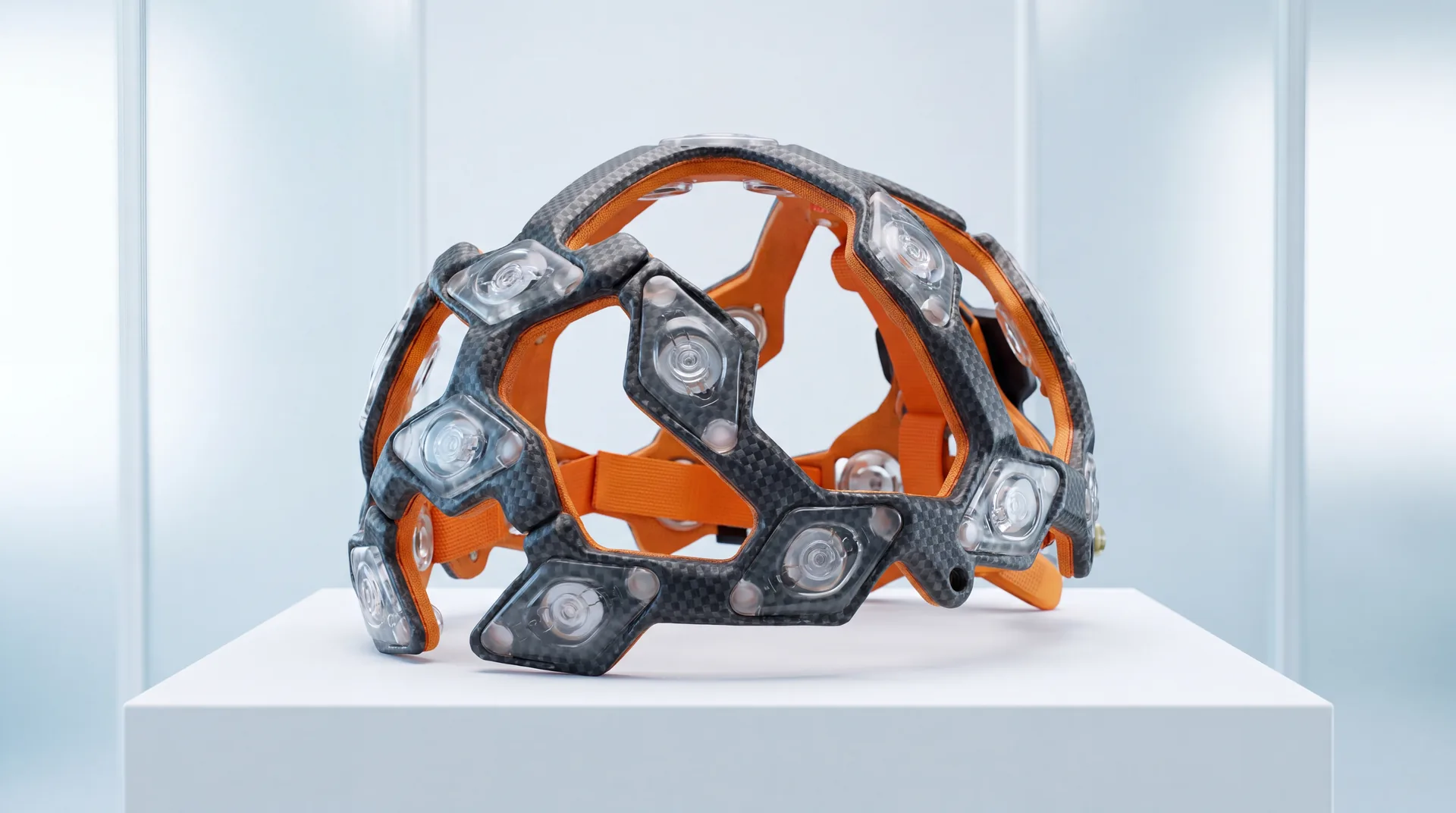
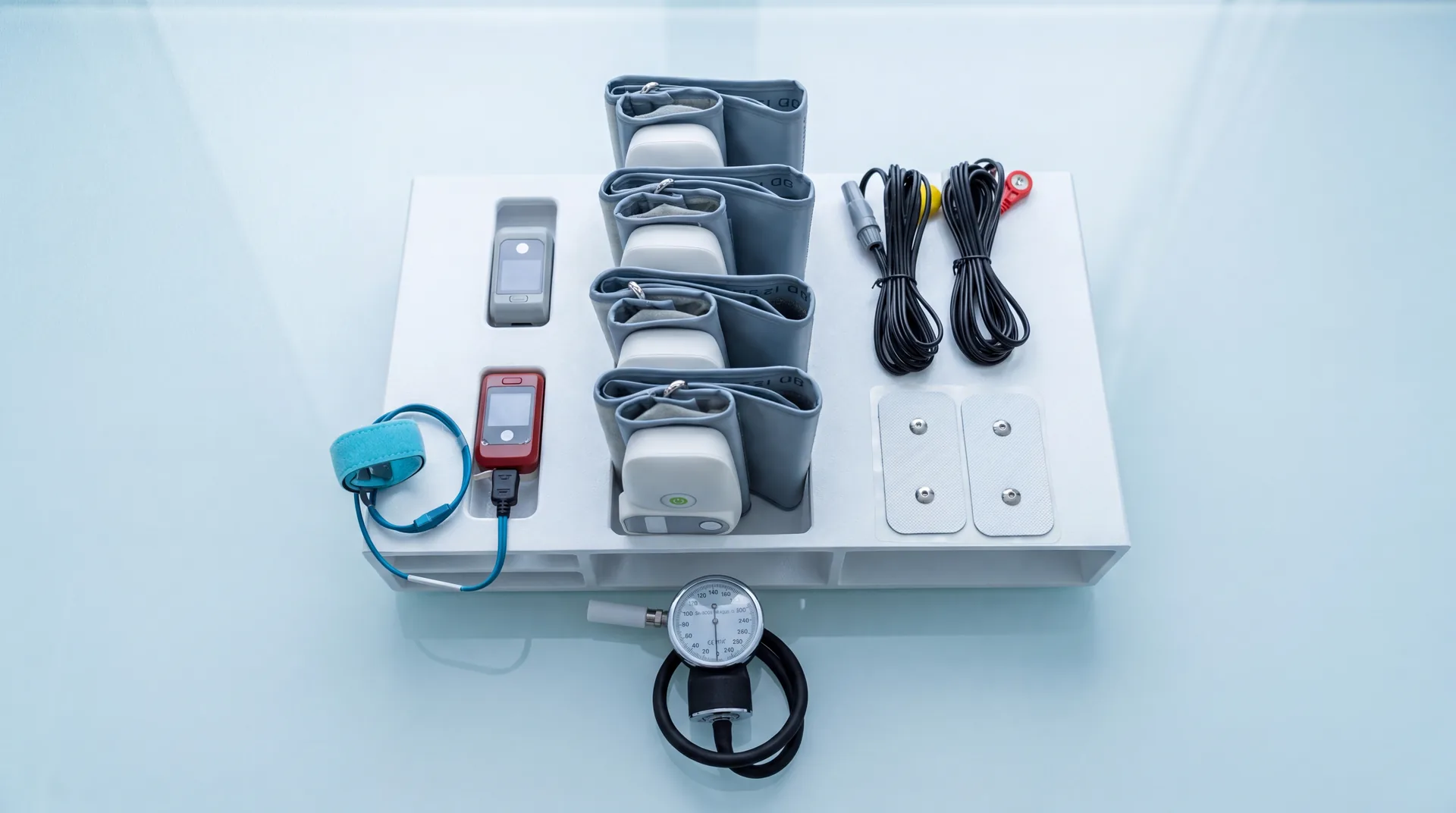
WAVi and TM-Flow, ordered when clinically indicated. WAVi is FDA 510(k) cleared (K213900) to aid in diagnosis, not to diagnose any condition on its own, and records EEG, event-related potentials including P300, and quantitative analysis against an age-matched normative database in about twenty minutes. TM-Flow, built on three FDA 510(k)-cleared modules (K173696, K152216, K200141), adds autonomic, sudomotor, and vascular measures chairside. Provider-ordered genetic panels run through PreCheckHealth when a specific question is on the table.
Is geriatric testing covered?
Coverage and coding are decided by your payer on the documented indication, and policies differ by Medicare contractor and commercial plan. Confirm every code with your own contractor and certified coder before you bill. TITN sets the workflow to documented medical necessity: tests are ordered when clinically indicated, never on a schedule and never on every patient, and the documentation is built to support the claim.
What is the best cognitive screening tool for dementia in a geriatric practice?
The established brief screens used in primary and geriatric care are the MMSE, Mini-Cog, MoCA, and SLUMS, and a formal cognitive assessment sits alongside history, exam, labs, and imaging rather than in place of them. WAVi is an added electrophysiological data point next to those screens, not a substitute for any of them. Your clinician interprets the result and decides what follows.
Can P300 or EEG testing show mild cognitive impairment before standard tests do?
The research is promising rather than settled. Published work reports that P300 latency and amplitude changes correlate with mild cognitive impairment and improve discrimination when combined with other markers, but no guideline positions it as a stand-alone diagnostic. WAVi documents measured brain activity to aid in diagnosis; it does not detect or diagnose mild cognitive impairment, and the clinician interprets every read.
Is an EEG-based cognitive assessment the same as a full neuropsychological evaluation?
No. A brief EEG and P300-based assessment is not equivalent to comprehensive neuropsychological testing and does not replace it. The Cognitive Function Report is a clinical adjunct that documents measured brain and autonomic data for the ordering provider to interpret. When a fuller picture is needed, formal neuropsychological evaluation, imaging, or referral remain the standard-of-care path, decided by your clinical judgment.
How long does the assessment take, and who reads the results?
WAVi takes about twenty minutes and is run by a trained technician, not the physician. TM-Flow adds about ten minutes chairside. Data goes to TITN's HIPAA-compliant portal, and BMTG's board-certified neurologists interpret the combined result as a Cognitive Function Report, standard turnaround inside 7 business days. Your own neurologist can do the read instead, using BMTG templates.
What follow-up does an abnormal or borderline result trigger?
That is your call. The Cognitive Function Report documents measured data and aids diagnosis; it does not dictate management. An abnormal or borderline result would ordinarily prompt standard-of-care follow-up, which may include further cognitive or neuropsychological testing, imaging, medication review, or referral, decided by the ordering clinician on the whole clinical picture. The retest, run on the same protocol, documents what changed.
What is the difference between the Cognitive Function Report and the Post-Injury Brain Function Report?
They are different deliverables for different contexts. The Cognitive Function Report is BMTG's clinical-track cognitive assessment, combining WAVi and TM-Flow data for the ordering provider, and it is the right report for geriatric cognitive care. The Post-Injury Brain Function Report is the med-legal, WAVi-only deliverable for personal-injury cases, signed by a board-certified neurologist. Neither report diagnoses a condition; each documents measured data a clinician interprets.
Is genetic testing useful in a geriatrics practice?
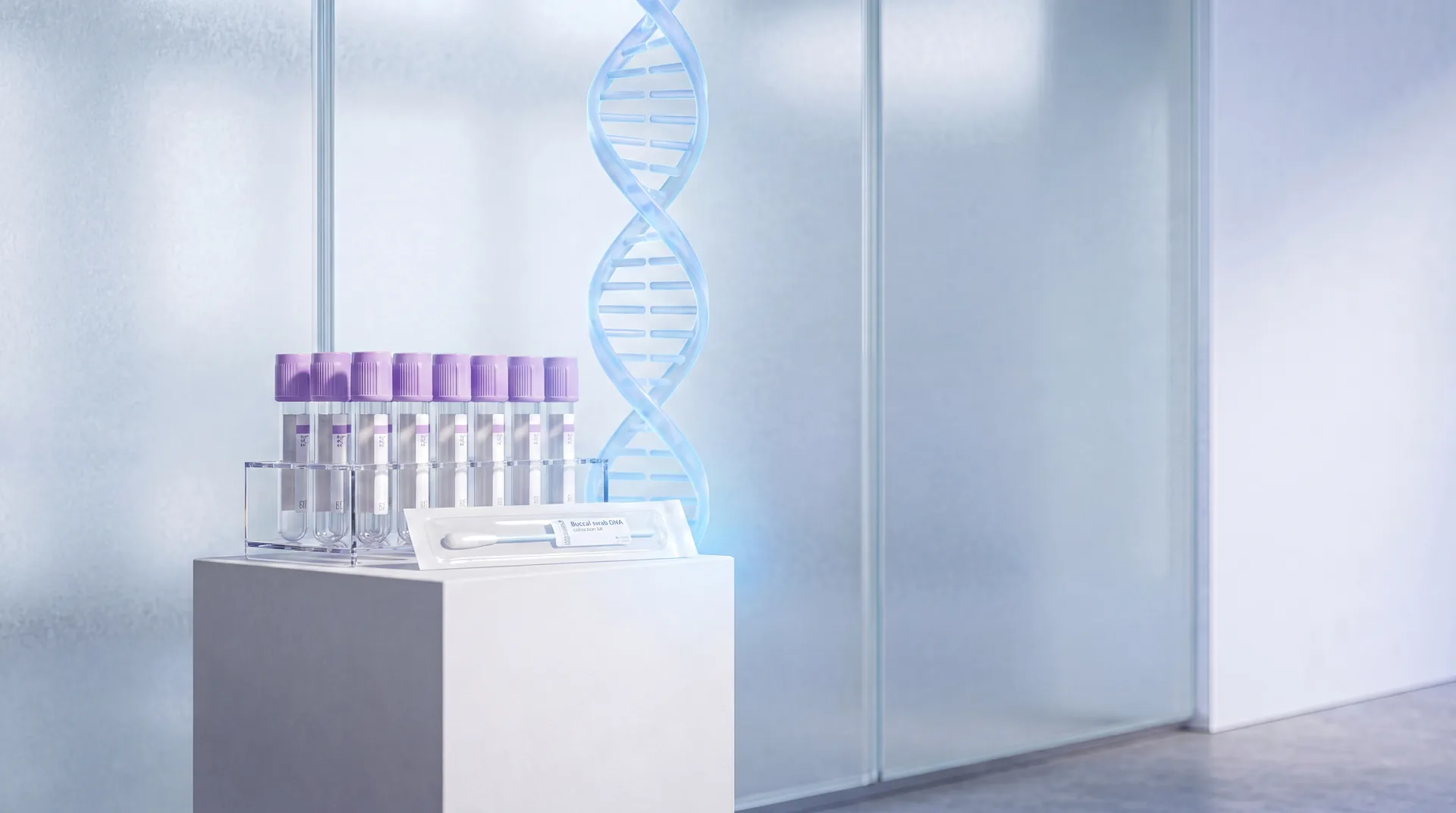
In two specific situations, not as a screen. PharmacoCheck+ reports drug-metabolizing enzyme variants for a patient on several medications, as one input the prescriber weighs against published gene-drug guidance. The Comprehensive Neurogenetic Panel covers 203 genes and is ordered when family history raises an inherited question. The ACMG and NSGC joint guideline supports testing in families with a known inherited pattern, under genetic counseling, and advises against susceptibility testing in people without symptoms; TITN positions the panel the same way. Both are provider-ordered, buccal-swab panels run by a CLIA-certified lab and billed by PreCheckHealth, with genetic counseling available through the lab.